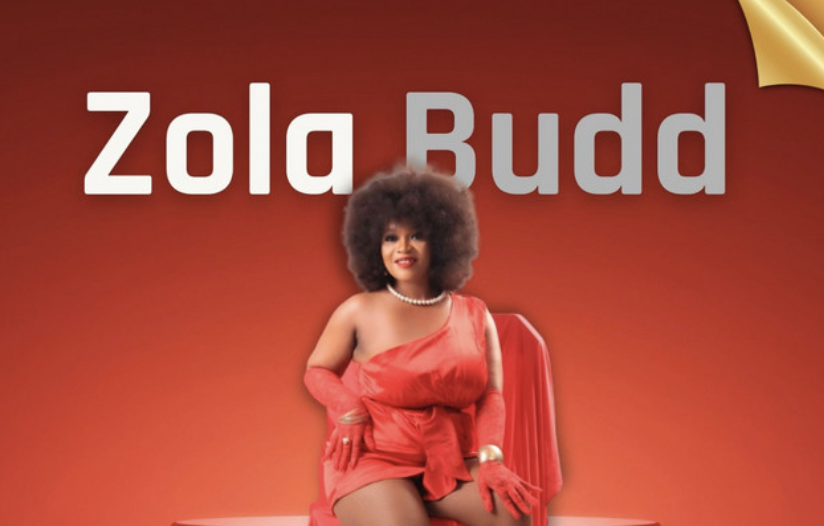
Have you ever heard a song that made you want to get up and move your feet immediately? A song with a beat so catchy that your head starts nodding before you even know what is happening? That is exactly what Siziwe Ngema has created with her new single called Zola Budd. The song was released on March thirteenth, and even before that date, something exciting was already happening online. A dance challenge inspired by the song had already attracted more than sixty-one thousand views on social media. That is a lot of people watching, sharing, and dancing along.
Siziwe Ngema is a singer, actress, and songwriter from South Africa. She is originally from KwaZulu-Natal, which is a beautiful province along the east coast of the country. But she now lives in Germiston, which is a city in Gauteng, near Johannesburg. She is calling on South Africans to continue supporting her song by streaming it, downloading it, and sharing it with friends. Momentum is a word that means the force that keeps something moving forward. The momentum around Zola Budd is building, which means more and more people are discovering the song every day.
What Is the Zola Budd Song About
You might be wondering what the song Zola Budd is actually about. The title might sound like a person’s name, and that is because it is. But we will talk about who Zola Budd is a little later. First, let us understand the story that Siziwe is telling in her song. She explains that Zola Budd is a love story. In the song, the singer expresses a deep desire to see their significant other. A significant other is a special person you care about, like a boyfriend, girlfriend, or partner. But there is a problem. The singer has no way to get to that person because she does not have transport.
So what does she do? She turns to a taxi called Zola Budd for a lift. A lift is another word for a ride. In South Africa, taxis are a very common way for people to get around, especially in towns and cities. The song takes this simple situation, wanting to see someone you love but not having a car, and turns it into something fun and musical. The track blends a modern sound with an infectious rhythm. Infectious means something that spreads easily, like a smile or a laugh. A rhythm that is infectious makes you want to move your body without even thinking about it.
The Story Behind the Song
Siziwe Ngema describes Zola Budd as a track that takes listeners on an emotional journey while still delivering a beat they can dance to. That is a special skill for an artist. Some songs are sad and make you think. Other songs are happy and make you dance. But the best songs can do both at the same time. They can make you feel something deep in your heart while your feet are moving to the groove. That is what Siziwe was aiming for with this release.
The song is not just about the taxi ride. It is about the feeling of wanting to be with someone so badly that you would do anything to get there. You would flag down a taxi, jump in, and ride across town just to see their face. That feeling of longing and excitement is something almost everyone can understand, no matter how old they are. Think about the last time you were waiting for a friend to arrive at your house or the last time you were on your way to a birthday party. That feeling of almost there, that mix of impatience and joy, is what Zola Budd captures in music.
Who Is Siziwe Ngema
Now let us learn more about the artist behind this hit song. Siziwe Ngema is a talented singer, actress, and songwriter. She is known for having a powerful and versatile voice. Versatile means she can sing many different styles of music. She is not stuck in just one genre. She can sing pop, gospel, R&B, and traditional South African music with equal skill. That kind of flexibility is rare and valuable in the music industry.
Her journey in music began when she was just nineteen years old. That is very young to start a professional career. She was discovered by a man named Lindelani Mkhize. He is the founder of a famous gospel group called Joyous Celebration. Joyous Celebration is one of South Africa’s most beloved choirs. They perform uplifting gospel music and have released many albums over the years. Being discovered by someone like Lindelani Mkhize is a huge honor. It means that he saw something special in young Siziwe. She spent two years touring with Joyous Celebration, which means she traveled to different cities and performed on major stages. That experience taught her how to perform in front of large crowds and how to work with other professional musicians.
Traveling the World With Umoja
After her time with Joyous Celebration, Siziwe joined a musical production called Umoja. Umoja is a word that means unity or togetherness in several African languages. The full name of the show is Umoja, The Spirit of Togetherness. This production was not just a concert. It was a full theatrical show that celebrated South African music and dance. It told the story of the country through song and movement. Siziwe performed as a lead singer in a segment called Paradise Road. Being a lead singer means she was one of the main voices that the audience focused on. That is a big responsibility.
Her time with Umoja allowed her to tour across twenty-seven countries. Twenty-seven is a lot of countries. Think about all the different people she met, the languages she heard, and the stages she stood on. She traveled to Europe, Asia, the Americas, and other parts of Africa. She performed her heart out on global stages, which means stages all around the world. She was not just a singer in this show. She was also an actress. So she had to learn lines, express emotions, and tell a story with her whole body, not just her voice. That experience made her a more complete performer.
Returning to South Africa and Working With Legends
After traveling the world with Umoja, Siziwe returned to South Africa. She continued to build her career in the music industry. One of her jobs was working as a backing vocalist for a famous band called Mango Groove. A backing vocalist is a singer who supports the main singer. They sing harmonies and background parts that make the lead singer sound even better. Mango Groove is a well-known South African band that mixes pop music with township jazz and marabi. They have been popular since the 1980s. Singing with them was another valuable experience for Siziwe.
She also worked as a session vocalist alongside several prominent South African artists. A session vocalist is a singer who is hired to perform on recordings for other artists. She has worked with Ringo Madlingozi, who is a famous Afro-pop singer. She has worked with Joe Nina, a legendary kwaito and house music producer. She has worked with Spikiri, who is known for his work in the kwaito genre. She has worked with Zahara, the beloved Afro-soul singer who had a beautiful voice and a tragic passing. And she has worked with Camagwini, another talented South African vocalist. Working with all these stars taught her different styles and approaches to making music.
The Viral Dance Challenge
One of the most exciting things about Zola Budd is that it sparked a viral dance challenge on social media. A viral dance challenge is when a song comes out and people start making short videos of themselves dancing to it. They share those videos on platforms like TikTok, Instagram, and YouTube. Other people see the videos and want to make their own versions. Soon, thousands or even millions of people are doing the same dance. That is what happened with Zola Budd. Even before the song was officially released, the dance challenge had already attracted more than sixty-one thousand views.
Why do dance challenges help a song become popular? Because they make listening to music a social activity. Instead of just putting on headphones alone, you learn a dance and share it with your friends. You might tag other people to join the challenge. The song gets shared over and over again. Each time someone watches a dance video, they hear a piece of the song. They might get curious and go find the full track on a streaming platform. That is exactly what Siziwe is hoping for. She wants people to stream, download, and share Zola Budd. The more people dance, the more people hear the song.
Who Is the Real Zola Budd
You might still be wondering about the name of the song. Who is Zola Budd? Zola Budd is a real person. She is a famous South African athlete who ran long distances. She was born in Bloemfontein, South Africa, on May twenty-sixth, nineteen sixty-six. She was known for something very unusual. She ran barefoot. That means she did not wear running shoes. She ran with her bare feet touching the track. That is very rare in professional athletics. Most runners wear special shoes with spikes to help them grip the ground. But Zola Budd believed that running barefoot made her faster and more connected to the earth.
When she was just seventeen years old, she broke the world record for the five thousand metres. That means she ran that distance faster than any woman in history had ever run it before. However, because South Africa was under a system called apartheid at the time, which was a very unfair system that separated people by race, the international sports community refused to recognize her record. Apartheid ended many years ago, but during Zola Budd’s time, South African athletes were banned from many international competitions.
The Famous Olympic Collision
Zola Budd’s story became even more famous because of something that happened at the nineteen eighty-four Olympic Games in Los Angeles, California. Because South Africa was banned from the Olympics, Zola Budd competed for Great Britain instead. Her grandfather was British, so she was able to get a British passport. The race she ran was the three thousand metres. The American favourite to win was a runner named Mary Decker. The media built up the race as a duel between these two young women.
But something unexpected happened during the race. The runners were packed closely together. Zola Budd and Mary Decker collided. Decker fell to the ground and was injured. She could not finish the race. She was carried off the track in tears. Zola Budd continued running but was very upset by what had happened. She finished in seventh place. Later, officials reviewed videos of the race and decided that Zola Budd was not at fault. It was just an accident that happens sometimes when many runners are close together. But many people in the crowd booed her because they were disappointed that the American runner had fallen.
Why Siziwe Chose This Name
So why did Siziwe Ngema name her song after Zola Budd? At first, it might seem like a strange choice for a love song about wanting to take a taxi to see someone special. But there is a connection. In South Africa, the name Zola Budd became associated with speed and movement. She was a fast runner. When people want a taxi to take them somewhere quickly, they might think of a fast runner. Also, Zola Budd is a controversial figure. Controversial means that people have strong, divided opinions about her. Some people admire her talent and her courage to run barefoot. Others remember the Olympic collision and feel differently.
By naming her song Zola Budd, Siziwe is tapping into that cultural memory. She is using a name that many South Africans recognize. It makes people stop and pay attention. They think, why did she name her song that? And then they listen to find out. It is a clever marketing move as well as an artistic choice. The song is not really about the runner herself. It is about the idea of something fast, something that gets you where you need to go. In the song, the taxi is named Zola Budd because it will zoom across town and deliver the singer to the person she loves.
Siziwe’s Message to Fans
Siziwe Ngema is urging South Africans to continue supporting her song by streaming, downloading, and sharing it. She knows that in today’s music industry, fans have a lot of power. You do not need to be a record executive or a radio DJ to help an artist succeed. All you need is a phone and an internet connection. When you stream a song on Spotify or Apple Music, you are telling the platform that people want to hear that artist. When you download a song, you are putting money directly into the artist’s pocket. When you share a song on social media, you are introducing it to people who might never have heard it otherwise.
Siziwe has been working in music for many years. She started when she was nineteen. She toured with Joyous Celebration. She traveled to twenty-seven countries with Umoja. She sang with Mango Groove and worked with some of South Africa’s biggest stars. Now, with Zola Budd capturing attention across social media and digital platforms, she is stepping into a new chapter of her career. This chapter reflects both her growth as an artist and her connection with a rapidly expanding audience. Expanding means getting bigger. More and more people are discovering her every day.
What Young Listeners Can Learn
There are several lessons in Siziwe Ngema’s story for young readers. The first lesson is that success often takes time. She did not become famous overnight. She worked for years, touring, singing backup, and learning from other artists. The second lesson is that you should never stop growing. Even after all her achievements, Siziwe is still finding new ways to connect with audiences. She is still releasing new music and trying new things. The third lesson is that a good song can come from everyday life. The idea for Zola Budd started with something simple, wanting to see someone you love and needing a taxi ride. You do not need a complicated story to write a good song. You just need to pay attention to your feelings.
The fourth lesson is that names have power. Siziwe chose a name that people recognize, Zola Budd, and used it to make people curious. The fifth lesson is that dance brings people together. The viral dance challenge around this song shows that music is not just about listening. It is about moving, sharing, and having fun with others. So the next time you hear a song that makes you want to tap your feet, go ahead and dance. You never know. You might start something that spreads across the internet and helps an artist who has been working toward this moment for many years.
Quick Facts
Siziwe Ngema is a South African singer, actress, and songwriter originally from KwaZulu-Natal and now based in Germiston. Her new single is called Zola Budd, released on March thirteenth. The song is a love story about wanting to see a special person and taking a taxi named Zola Budd to get there. A dance challenge for the song gained over sixty-one thousand views before the official release. Siziwe began her career at nineteen with Joyous Celebration and later toured twenty-seven countries with the musical Umoja. She has worked with Mango Groove, Ringo Madlingozi, Zahara, and many other South African legends. The real Zola Budd is a former barefoot runner who broke world records and competed in the Olympics.
Think About It
Have you ever heard a song that made you want to dance immediately? What was it about the beat that moved you? If you could name a song after a famous South African person, who would you choose and why? What everyday situation from your own life, like waiting for a friend or riding in a car, could you turn into a song?