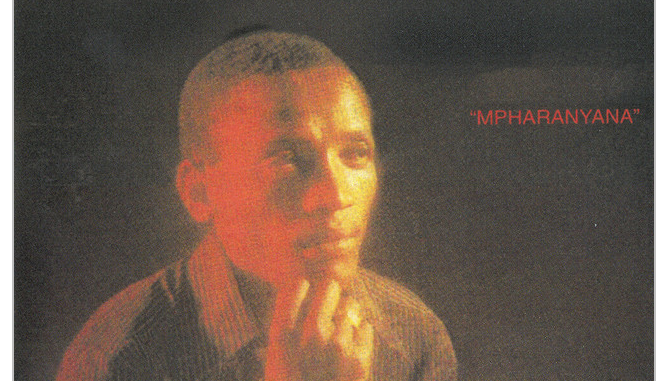
Mpharanyana was a renowned South African singer, songwriter and guitarist who emerged as one of the most influential personalities in the township soul and mbaqanga music in the 1970s. Having been born Jacob Radebe on 16 April 1948 in Katlehong, Gauteng, he developed a name as a strong singer whose music combined soul, jazz, disco, and the traditional Southern African rhythm.
Mpharanyana played with different bands and musicians who eventually became South African music industry legends during his brief but influential career. He was mostly associated with appearing with other groups like The Peddlers, The Weavelets and The Cannibals where he was one of the lead singers and songwriters.
His style of music was unique since he frequently sang in Sesotho though at times in English. Mpharanyana contributed to the pioneering in combining the African languages with the Western influences of the soul music, creating the sound that portrayed the culture of the townships and the life of the people in South Africa during the apartheid era.
His personality on the stage and emotional voice were adored by the fans and producers. Among the peculiarities of his records was his chronic cough that at first became an issue during recording sessions but then became one of the prominent characteristics of his performance.
His death on 21 August 1979 is a tragedy to his life and career, but Mpharanyana left behind him a legacy of music that perennial music fans have continued to admire in their music both today and in the past, and that shapes the present music of African soul and mbaqanga artists.
Quick Facts
| Fact | Details |
|---|---|
| Real Name | Jacob Radebe |
| Stage Name | Mpharanyana |
| Date of Birth | 16 April 1948 |
| Place of Birth | Katlehong, Gauteng, South Africa |
| Date of Death | 21 August 1979 |
| Age at Death | 31 years |
| Nationality | South African |
| Genres | Township Soul, Mbaqanga, Jazz, Disco |
| Occupation | Singer, Songwriter, Guitarist |
| Years Active | 1960s – 1979 |
| Famous For | Lead singer of The Cannibals and township soul pioneer |
| Language in Songs | Mostly Sesotho and English |
Early Life
Jacob Radebe (who came to be known as Mpharanyana) was born in the township of Katlehong located in East Rand in South Africa. He was raised in the dynamic township setting which exposed him to a whole world of different music that was common in the city communities during the 1950s and 1960s.
The role of music was also significant in the township culture, and young Radebe was a keen singer; he began by singing at a tender age. Being under the impact of the old African music and the imported American soul records, he started to experiment with various sounds and vocal styles. These forces assisted in developing the unique voice and musical identity that would form his career.
He has performed with the local bands as a teenager, and soon became known due to his strong voice. Among his earliest experiences in music was playing with a band known as The Peddlers which was a musical band operating in Springs. It is through this outfit that he started recording and playing professionally.
He would later join The Weavelets, another township band as the lead singer and they became popular in Katlehong. Playing with these bands allowed him to earn the reputation of one of the most promising young singers in the South African music business.
Career
The professional music music career of Mpharanyana started in the 1960s when he started playing regularly with bands in the township music scene of Johannesburg. Soon his talent attracted the attention of musicians and producers who saw him as one of the most successful vocalists.
His participation in a band called The Cannibals together with other talented musicians such as guitarist Ray Phiri and producer West Nkosi was one of the most significant moments in his career.
Cannibals were characterized by their active performances and creative combination of music styles. They played a blend of the traditional African rhythms and the influence of soul, funk, and jazz in their music and this music appealed greatly among the listeners in the South African townships.
Mpharanyana performed many songs with the band during this time; many of these are considered as classics in township soul genre. The band was recorded by West Nkosi, who was one of the most dominant personalities in the South African popular music.
Musical Style
Mpharanyana was considered to be one of the strongest voices of the township soul music. The phrasing of his singing was full of emotion, and at the same time that melody flowed smoothly, which enabled him to sing love songs with the same strength as he sang socially conscious lyrics.
One of his peculiarities in his recordings was his coughing when singing. This cough was initially seen as a recording issue, but producers later adopted it as a part of the recordings and it has become an easy-to-identify aspect of his sound.
The other aspect through which he characterized his music was the Sesotho lyrics used in soul and disco arrangements. This combination of both African languages and western musical influence contributed to the fact that the township soul gained its uniqueness and cultural importance.
Albums
In the 1970s, Mpharanyana has done a number of albums and singles with The Cannibals and The Peddlers. One of the most prominent records of this time includes:
- Highland Drifter
- Zion Soul (1976)
- Disco Bump (1977)
- Nka Nako Ho Motseba (1978)
- Ulunywa Izinja (1979)
These performances were characterized by both a blend of disco, soul and mbaqanga beats and proved how versatile Mpharanyana was as an artist and a songwriter.
Death
His career in music was cut short due to tragedy which affected Mpharanyana despite his increasing popularity. He passed away on 21 August 1979, at a tender age of 31 years old.
TOP 10 SONGS
Mpharanyana has some of the most popular and influential songs, of which some include:
- Ulunywa Izinja
- Hela Ngwanana
- Disco
- Freak Out With Botsotso
- Nka Nako Ho Motseba
- Highland Drifter
- Hlotse
- Puleng
- Oho Morena
- Retlile Resenaleletho
These tunes have a trace of the lively combination of soul, disco, and mbaqanga that characterized his musical career.
Personal Life
Mpharanyana had a humble personality and close association with the township culture. Although he was able to be recognized as a musician, he was very much in touch with the communities that made him write music.
His music used to be based on the common realities of the township life such as love, social injustices, and cultural identity. He had a chance to relate well with the people in Southern Africa by singing mainly in the Sesotho language among others.
Despite the lack of specific information that could be public about his personal life, his music associations and performances indicate that he had good ties with other musicians within the South African music industry.
Net Worth
It is not publicly available since Mpharanyana passed away in 1979 and therefore there is no reliable record of his net worth. His income in his lifetime was largely derived by:
- Album recordings
- Live performances
- Cooperation with township bands.
- Music royalties
His musical heritage is immeasurable even though there are no detailed financial records. Decades later, his recording still get reissued and streamed, which makes sure that his impact on African soul and mbaqanga music is not going anywhere even nowadays.