
Ithwasa Lekhansela is a vibrant and acclaimed South African maskandi singer, and is known as a vocalist with expressive performance, excellent narrative and committed to keeping the Zulu musical culture alive. He has born out of KwaZulu-Natal and has proven to be a big star in the maskandi scene, who brings together traditional sounds and the modern audience. Ithwasa Lekhansela, due to his authenticity, lyricism and playing the guitar, is still able to inspire the listeners and at the same time respect the rich cultural heritage of Zulu music.
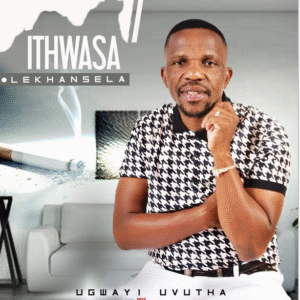
Ithwasa Lekhansela was born and brought up in a rural community in KwaZulu-Natal and his life was filled with stories and dance of his people. He was exposed to music at an early age by means of local events, communal gatherings and family heritage. Acoustic guitar music, izimbongi (praise poets), and traditional chanting made him develop a knowledge of music that was a medium of artistic expression, as well as a medium of storytelling.
Ithwasa was introduced to the world of music when he was a teenager and he used to learn guitar and sing. At a tender age he was found to have an organic gift in uniting music with narratives. His early works were also based on his life events, the society he lived in, love, and social interactions, which also gave a personal touch and a sense of resonance to his listeners.
The music of Ithwasa Lekhansela is characterized by characteristic fast and finger-picked guitar riffs, rhythmic percussion and call-and-response vocal patterns, the mark of a traditional maskandi. Nevertheless, he also adds some traces of modern production methods, and his music is not out of reach to the young listeners without breaking the traditions of the genre. This cautious approach has enabled him to create a wide fan base between the rural and the urban setups.
One of the most distinctive elements of the Ithwasa Lekhansela art is his lyrics. His lyrics cover a very diverse spectrum of subjects, such as love and heartbreak, family duties, social issues and cultural pride. He has a tendency to use Zulu idioms, praises poetry and metaphors as a way of enriching the story telling experience making his music to have multiple layers of meaning that touch both individual and communal understanding. It is so easy to identify with his work and feel the force of his lyrics because he can harmonize emotion, humor, and wisdom with his lyrics.
Team work has been significant in his life. Ithwasa has spread his creative boundaries and experimented with new musical textures by collaborating with other maskandi artists, producers, and/or musicians of other genres. These collaborations have enabled him to experiment but still retain the essence of authenticity with his sound. Although he collaborates with other people, his unique way of singing, playing the guitar, and writing the song are placed in the center, which makes sure he does not lose his artistic identity.
Live performance forms a part of the success of Ithwasa Lekhansela. He is famous because of his attractive stage performance, emotive delivery and communicative nature with the people. Regardless of the type of event they are attending such as rural ceremonies, community events or larger cultural events, he puts all his energy, passion and authenticity into his performances. His performances have been described as immersive, culturally rich, and emotionally involving, and they have shown his musical ability as well as his commitment to keeping the Zulu traditions.
The music of Ithwasa Lekhansela also touches upon the realities of the society, and it seems that she contemplates the economic hardships, the relationships between people and the relations within the community. His songs help people overcome the difficulties in their lives with the power of will, connect with their culture, and be morally sound by giving motivation. He has been able to mix entertainment with social commentary and this has established his position in the South African music scene as a respected artist proving that maskandi is a form of art that is not only cultural but also a social comment.
However, Ithwasa Lekhansela has never given up his profession despite the challenges being experienced by traditional musicians such as limited resources and the pressure to keep up with the times. His dedication to cultural continuity, steady stream of music and genuine participation with his audience have gained him a lot of respect both in the maskandi community and beyond. Every album, single, and live broadcast represents his development as an artist, his cultural experience and his narration ability.
The work of Ithwasa Lekhansela is notable in the depth of emotions and clarity of narration. His music portrays the human experience and is both truthful and sensitive when it comes to love, grief, heroism and happiness. His music offers entertaining and thought provoking stories to the audience through which he establishes a strong bond between the artist and the audience. His narration makes sure that the cultural and emotional subtleties of maskandi still resonate even with the generations.
To conclude, Ithwasa Lekhansela is not just a musician, but he is a story-teller, a cultural custodian and a voice of authority in the South African maskandi genre. His skills in playing guitar, passionate vocals and considerate lyrics have made him one of the giants of the genre. By means of recordings, partnerships, and live concerts, he manages to retain the traditions of maskandi and make sure that it remains relevant to modern listeners. The music by Ithwasa Lekhansela reflects the cultural pride, emotional sincerity and artistic masterpiece, which guaranteed his legacy as an important contributor to the South African music and the constant development of the Zulu cultural heritage.
Chronological master list of all songs
- Kushova Mina
- Sakhalà Kamnandi
- Uthando Aluboni
- Isemlenseni
- Khuz’Amaviyo
- Thandazile
- Ungenekanjani
- Sandelephi
- Ubungekho
- Imagic
- Bakhokhoba Ngomanyama
- Sizohlabelela
- Ogezoo
- Angisalali
- The Lyer
- Thulie
- Kushova Mina (Remix)
- Izwe Ngilenzeni
- Ezweni Elingale
- Ngilale Kanjani
- Dudlu Ntombi
- Njengamajuba
- Ntaba Ezikude
- Ngiyamkhumbula
- Remix
- Musa Ukuya Ngegugu
- Ngiboshiwe
- Usebenzela Usathane
- Bayalikhohlwa Idlozi
- I-Secret
- Ukungazi
- Dolo Qina
- Ngisize Nkosi
- Ngiyekeni
- Thula Ungakhali
- Wonke Amazwe
- Hulumeni
- Washiya Namacala
- Ba Shawot’igama Lam
- Azolingisa Bani
- Sakhiwe Bo
- Unesandla Yini
- Ugudlindlu
- Lwaba Yimalini
- Laba Ongezikhwapha
- Uthando Ukufa
- Impica Badala
- Lomzimba Wakho
- Uyazuza Yini
- Abalandeli
- Aqatha Abantu
- Tomorrow Morning
- Siyonqoba Ngaye
- Unenkani
- Sizokhathala
- Khuzamaviyo
- Sizoyinqoba
- Siyamshiya
- Uyangedelela
- Siyolwanabo
- Shay’Ninja
- Ugundlindlu
- Uyazuza Yini?
- Uzolingsa Bani
- Easy Come, Easy Go
- Umkhonzo Wabashayeli
- Utshele Umoya
- Idamanzi
- Uthando Olusha
- Mali Yami
- Bengami
- Intombenhle
- Awuthi ‘Pe’
- Bayefana
- Isokhalweni
- Vimbezansi
- Akalwanga
- Owami Lomama
- Awugqoze
- We Belong Together
- i Jukebox
- Umuntu Qgambamanga
- Bayasihleka
- Inyakanyaka
- Izwi Lakhe
- Iyosala
- Kumele Ngikwethembe
- Wangincelisa
- Umsila Wembabala
- Iscefe
- Isgqila
- Umntogulayo
- Ikhala Lentuthwane
- Nganixolela Kudala
- Ziqhenye
- Ijoka Lensimbi
- Ithole Likadumo
- Ichwane Lenyoka
- Ikhehla Elidala
- Ingadlangadla
- Ijoka Lensimbi
- Zinhle Wami
- Khohlisanani
- Mama Nobaba
- Izinyembezi
- Ikhansela
- We Dali
- Ilahle Emqaleni
- Amanga
- Iskhala Samashende
- Bayanda
- Izinyembezi Zenjabulo
- Bantu Besfazane
- Thula Ungakhali
- Kencekence
- Nkulunkulu Wami
- Umqala
- Baba Ka Mduduzi
- Impumelelo
- Valamehlo
- Sbo ATM (Kwa Nongoma)
- Angiyona Imali +Mudemude
- Ngicela Uku Confessor
- Nami Angazi +Lindani Gumede
- Iziqu
- Wembulali
- Yolanda
- Game Over +Bahubhe
- Ngiqabuleni
- Awume Kancane
- Umama No Baba
- Imbazo
- Hamba Nhliziyoyami
- Ngingakhala Kubani
- Umastende Nomawengane
- Ulimi Lempongo
- Kawungondli +Indoni
- Ngiqothe Etsheni
- Kuzokhala Abadlwane +Indoni
- Ekamelweni
- Amabhelunde
- Zehla +Jumbo
- Inja Edlamaqanda +Inkos’yamagcokama
- Ushembe +Bahubhe
- Bayavungazela
- Ungincikisela Ngothando +Ugatsheni
- Makumele Ujabule
- Ngiphuphe Ngifile
- Iselula Yami
- Imbibizane
- Yin’ungathi Bhu
- Utatami
- Ithawula
- Kwa Nongoma
- Mama Khala Kimi
- Umuntu Westhathu
- Ontangabami
- Mesiya Wami
- Ihlokohloko
- Izivivinyo
- Ngisemzabalazweni
- One More Time
- Ngumalale Paypini
- Intoyami
- Ngimncinyane
- Unyawu Lonwabu
- Kuyahlonishwa +Mroza Fakude
- Icondom +Bahubhe
- Bewuyojola +Thandeka Hadebe
- Impi
- Bayabuzana Manje
- Ngikhulumeleni +Cofi
- South Africa
- Unkulunkulu Uyabona +Samke Mkhize
- Unyazi Lwezulu +Thandeka Mkhize
- Udakwe Yini
- Ngiyi Kumkani
- Ngazalwa Nezici
- U Nonka
- Isihlwathi
- Ishende
- Ngibuyela Ekhaya
- Bayangikhomba
- Ngidakwa Kahle
- Uyohlal’eyntombi
- Kupholiwe
- Sengiyisangoma
- Inhliziyo Ebhakuzayo +2Short
- Ugwayi Uvutha
- Mkhululi wami
- Amehlo Emfihlakalo
- Singamabhubesi
- Ama Orintshi
- Khona Okuthi Hheshe
- Amandla Ami
- Umama Uyakhala
- Thinini
- Ngicela Uthi Uyangithanda
- Thina Madoda
- Ngiyasha
- Mabhebeza
- Unye Nyi
- Msholozi
- Shenge
- Iphupho
- Ingane Elawini
- Umuntu
- Nqaba Nami
- Bayangizungeza
- Inhlonipho
- Ezimayini
- Kuyaxokozela
- Ayi Ukuzenzisa
- Umshini Wokwakha Abantwana
- Mama Ngikhalakuwe
- Yebo ngiyavuma
- Etavern
- I Blow Job
- Lelo Goli
- Indiya Limphethe Kabı
- Solala Kwagogo
- Ibhasi Lomjolo
- I Piano
- Umdukandini
- Zinsimbi Namaketango
- I Blow Job +Ali Mgube, King Cash
- Ngiyimpohlo
- Yinsizwa Umanqele +Mphako Mkhwanazi
- Amajitha +IMayor Kazwelonke
- Salala
- Ezindlini Zodaka