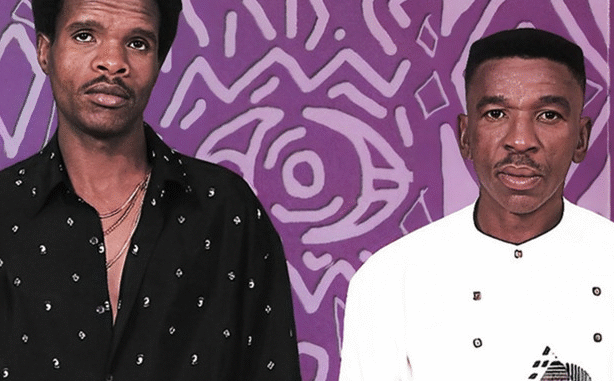
Ikhansela no JBC is a strong outfit in the South African maskandi region, renowned by their first-rate performances, timeless narratives and heartfelt cultural articulation. Their songs are characterized by humor, social commentary, and classic Zulu music features and have made them one of the most established and admirable collaborations in contemporary maskandi. Their music is unique, their complement unsouped and their desire to maintain the Zulu music heritage unflinching.
The band was established in KwaZulu-Natal, the core of the maskandi people. Both musicians were raised in villages, where folk songs were one of the keys to everyday life. Their earliest memories were influenced by the sounds of the guitars, izimbongi (praise poets), community meetings, and ceremony songs. These influences were their future career seedlings way before they stepped in a studio.
The lead singer, Ikhansela, gained a reputation early of his charismatic voice, lyrical acuity, and tremendous presence on stage. He was a talented individual and was able to integrate humor as well as cultural imagery and stories that happened daily into music. JBC, who has been a master of instrumental brilliance, smooth harmonies of the voice, and high support vocals, was the appropriate counterpoint to Ikhansela in his bold delivery. They both established a balance which was to be the core of their musical identity.
Their cooperation did not occur immediately. They each were engaged in music separately and then they saw that they complemented each other. Their choice to collaborate was based on the common idea of how to make maskandi music that would remain faithful to traditions and provide a new and exciting sound to the listeners. The chemistry was incontrovertible after they united. Their harmonies were naturally harmonious and they could complete the musical phrases of each other thus their collaboration did not seem to be forced.
Since the first releases, Ikhansela no JBC were known to have songs that touched the hearts of the average listeners. They usually deal with relationships, country life, cultural pride, issues of the contemporary society and the comedic aspect of human behavior. This capacity to be serious and light at the same time made their music reach all age groups.
Their smooth narration is one among the musical traits of the style they use. The voice of Ikhansela is emotional, funny, strong, and vulnerable- all in one. JBC is the consistent instrumental support, playing the guitar in a skillful way and adding the atmosphere to every song. They base their music on maskandi traditions such as the fast picking of the guitar, bass rhythms and Zulu choral replies.
Although their sound is also very traditional, they also add a few modern touches, namely, smooth production, harmonies, and experimentation with rhythm. This has the merging of the old and the new and has helped them to stay pertinent in a fast evolving music industry.
The popularity of Ikhansela no JBC did not take place overnight. They spent years practicing their art through attending local parties, cultural and community festivals. One of the key factors in their success is their live performances, they play their music with a lot of energy, passion and authenticity. The fans are familiar with them because of the humor, expressive movements, and stage chemistry involved. They also tend to communicate with the audience during the performances making it a common cultural experience.
As their songs began picking up the pace, the duo were becoming the representatives of Zulu culture. They take their platform to glorify identity, heritage, and traditional pride. Their lyrics are full of praise poetry, idioms, tradition, and culture and moral education based on the values that were instilled in them. This dedication to culture has made them so much respected especially among those maskandi purists who are interested in authenticity.
Although they are culturally oriented, Ikhansela no JBC are not afraid to touch the modern problem. They do sing of social issues like unemployment, deceit, conflict in the community, and the vagaries of relationships in the modern world. In this way, they close the divide between tradition and modern reality and make themselves heard to their audience with messages that may be close to them.
Their dynamic on partnership is one of the elements that have contributed to their high success. They not only go hand in hand musically, but also creatively. Ikhansela is a bold and comedic storyteller and JBC, a refined musician and grounded delivery. This is one of the reasons their music is complete, polished and emotionally touching.
Their influence on younger artists became evident as they increased in popularity. A lot of young musicians of maskandi use Ikhansela no JBC as an example–those who prove that it is possible to develop tradition and not to lose its spirit. They have been able to modernize maskandi in a respectable way, creating new horizons to the genre.
The legacy of Ikhansela no JBC is ever increasing because they not only release new songs but also cooperate with other artists and sing in major events. Both the urban and rural audiences enjoy their music, and this is testament to the fact that the authentic maskandi still has the ability to bring people together, despite their backgrounds. They are committed to telling stories and maintaining their culture so that their works will be remembered even when their careers end.
At the inner part, Ikhansela no JBC is what maskandi always was, a mirror of life, community, humour, struggle, love and sense of identity. Their artistry has been a beat of the Zulu tradition and addresses the lives of the contemporary South Africans. Their music celebrates the past, the present and the future.
- Kulungile
- Ngizwa Izigi
- Thula Mama
- Ngolwesihlanu
- Wangibulala
- Ungizondelani?
- Jesu Ngonile
- Ngiyekele Ngisebenze
- Abakholwayo
- Umajazi Vol. 5
- Buya Themba Lami
- Ethuneni
- Sekuhlwile
- Is’Dididi
- Kwelizayo
- Iduku
- Abantu
- Kuyenyukela
- Thula Mtanami
- Ngonile
- Umajazi No. 4
- Izitha
- Buya Bo!
- Obhayizane
- Isiphikeleli
- Emafini
- Mlandeleni
- Izitha
- Kude Kude
- Ihora Le Shumi
- Safa Thina Bantu
- Akavumanga
- Umanqane Wami
- Khala Zome
- Indaba Ka Jesu
- Udokotela Wendiya (Umajazi No. 3)
- Uyonkhumbula
- Uzubenami Baba
- Ngazama
- Mngani Wami
- Unamanga
- Ngenziwa Nguwe
- Ethembeni
- Ngivulele Baba
- Udakiwe Umajazi
- Okuhle
- Uma Ngim’Cabanga – Remix
- Angilalanga Izolo
- Ngaphila Kanzima
- Ngiyokukhumbula
- Uma Ngim’Cabanga
- I Love You
- Phezulu Emafini
- Lento Owayenza
- Umajazi Volume 6
- Ngizakuwe Baba
- Ukhalelani?
- Majazi – Vol 8
- Ongazi Ngangenzeni
- Iyaphela Inyanga
- Umuzi Wami
- Mangibona Ukhala
- Ngamemeza Ujesu
- Inqaba Yami
- Udlala Ngami
- Mncwa Mncwa
- Zingane Zami
- Ingadla Ngadla
- Iyinyembezi
- Bangibiza Ngesilima
- Angesabi
- Uyangithanda Na?
- Wangishiya
- Inqaba Yami
- Inhliziyo Yami Le
- Ivila
- Umalahle
- Ekuseni Ngovivi
- Amalombo
- Ungumzalwane Onjani?
- Phepha Lami
- Angidlile
- Ngiyabonga
- Mina Kababa
- 082
- She Loved Me
- Umfaz’Wami
- Itwalaza
- Wangibuza
- Ukukholwa
- Izwi
- Ngixolele
- Ngakwenzani?
- Isililo
- Kulungile
- Uhlekisa Ngami
- Ilanga
- Buza Kumbulali
- Kwasa Jive
- Izevatho
- Sofa Siyini
- Ukwesaba Ujehova
- Siza Nkosi
- Ngixolisele Kuye
- Umajazi
- Giya Mbulali
- Owami
- Emendweni
- Shame
- Wokhumbula
- uJesu Wami
- Usuku
- Amageja
- Sondela Kimi
- Imikhuba
- Kazi Wafelani?
- Ngafela Ubala
- Ithemba Alibulali
- Umthakashana
- Wamkhulu uJesu
- Ngiqabule
- Hlala Nami
- Imali
- Mbulali
- Esonweni
- iNew Love
- Uyahleka
- Um’huqa
- Uqoma Njalo
- Zaya Amalombo
- Nkosi Yami
- Abakithi
- Indiza Mshini
- Izinyembezi Zodwa
- Amaphupho Ami
- Angingedwa Qha
- Ngiyamesaba
- Zangenze
- Iphimbo Lami
- Okubi Kodwa
- Ngiyazi
- Ngofa Ngikhala
- Gugu Lami
- Dali
- Loyomuntu
- Umuntu Uyajika
- Ukhohlwe Lukhulu
- Abasakazi
- Esiphambanweni
- Liyejabula Ilanga
- Uyangibhaxabula
- Siyakhona
- Ngavelelwa
- Wuye Lo
- Dudu Wami
- Angesabi
- Hamba Kahli
- Wo Wo Wo
- Valentine Day
- Dear Mtakwethu
- Abantabami