
Busiswa Gqulu or Busiswa is a South African singer, songwriter, and performer who has dominated the contemporary dance and house music scene in the country. Having been born and brought up in Mthatha, Eastern Cape, Busiswa musical career is firmly based on the South African culture, incorporating Gqom, house and Afro-pop with her uniquely active singing style.
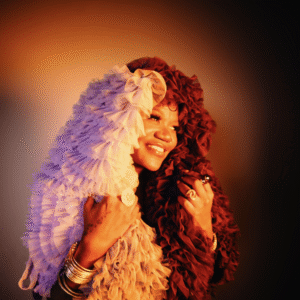
With her dominating figure, uncontagious beats, and daring lyrics she has established herself as one of the most powerful and diverse musicians of the country. Her music glorifies the culture of the townships, female empowerment as well as raw expression and allowed her to attract a strong following leading to local and international recognition.
The musical heritage of the Eastern Cape, the diversity of the township communities influenced Busiswa as a young person. As a child, she was attracted to singing where she would sing at school events, community events and also sing at church. These early experiences helped to develop her singing talent, stage presence and rhythmic awareness, establishing all the groundwork of a career of energy and creativity. She had an excellent pitch in the melody, narration, and performance flair, which is conditioned by getting exposed to traditional African music, gospel, and local dance styles.
Her professional success was in 2012 when she appeared on the successful single My Name Is by DJ Zinhle and this song immediately took off around South Africa and exposed her to a national level. The rhythmic chanting, sharp delivery and call-and-response lyrics of Busiswa became her trademark in the emerging Gqom and house music series. Her appearance on the track not only enhanced its success but it also demonstrated her capacity to give it personality, empowerment and infectious energy in every performance. Such a precocious effort preconditioned her future appearance as an independent performer who could make people listen to her independently.
The sound of Busiswa can be characterized by energetic beats, aggressive intonation, and the unashamedly proud attitude towards South African township culture. Her songs tend to glorify perseverance, self-esteem, and social happiness, and include realities as well as the lives of those who hear them. Throughout her career she has worked with several of the biggest producers and artists such as Dj Maphorisa, black motion, and nokwazi as well as giving her own unique touch to some of the songs that take over the airwaves, clubs and the internet. These partnerships have increased not only her creative repertoire, but have also contributed in the popularization of Gqom and Afro-house music in South Africa and other places.
Her solo works also made her an indomitable music industry player. Along with albums like Highly Flavored, and later albums, Busiswa displayed her skill in creating coherent collections of work that combine party songs with socially relevant ones. Her songs are hailed due to their vitality, catchiness and authenticity, being both commercial and cultural. She feels equally comfortable on dance-floor oriented music as she does on music that is more introspective and that which deals with identity, love and personal development. This has made her a firm reputation of being one of the most adaptable and relevant artist in the South African contemporary music.
Busiswa revolves around the live performance. She is widely known as having an electric stage presence and takes command of the stage with high energy choreography, strong vocal and interactive performance styles. Playing festivals, clubs or big concerts, she manages to generate a blast of experience when music, dance and community celebration meet. Her character on stage is assertive, not shy and openly sexual and this is the image she creates as she is a statement of her personality and her desire to entertain, at the same time empowering her audience. Her performances are frequently characterized by fans as being transformative and capturing the essence of the South African dance culture and offer a feeling of collective happiness and togetherness.
Busiswa does not just have an impact on music. She has turned out to be a cultural symbol of female empowerment, creativity and strength. She regularly uses her platform to discuss social problems, women in music, and self-expression and confidence. Her personal image is defined by genuineness, boldness and interaction with her people, which makes her an idol to potential artists and young women in South Africa. She shows the relevance of pride and self-expression in music and life by living her roots and being fashionable and culturally authentic.
Her songs keep changing and expressing the global trends but still keeping them grounded on the African culture. Busiswa tries over Gqom, house, Afrobeat and Amapiano, mixing genres in conceptually new ways to create new and exciting sounds. Her diversity in music and her signature style shows that she is an artist able to move around all musical worlds and be forward-thinking. The involvement of established and new artists has made her music always relevant, dynamic and highly anticipated by audiences who are always keen to have new music.
The digital presence and interaction with fans is also exceptional in the career of Busiswa. She uses social media to give her listeners insight into her creative process, behind the scenes pictures and peeps into her personal life building a close bond with her audience. Her reach and relatability have also made her fanbase, which has brought her music to both the local and international fans. Through these platforms, she has increased her presence and is currently considered a contemporary and powerful artist with the capacity to influence the trends and motivate the future generation.
Busiswa is one of the most influential and famous contemporary artists in South Africa nowadays. Her performances, cultural contributions and music reflect a career that is based on talents, innovations, and authenticity. She has been instrumental in the emergence of Gqom and Afro-house, capturing the interest of mainstream audiences without any culture loss. Her artistry still inspires, entertains, and empowers leaving her mark in South African music. The experience of Busiswa is one of determination, innovation and perseverance which guarantees her a spot as the change agent whose impact will be experienced over the next few years.
List of the latest tracks
- flight mode – Âme Remix
- Intombi
- grace – reprise
- money honey
- flight mode
- the joker
- man2man
- we need each other
- grace
- Ibuss – Gibela
- Utheni
- Eazy (Feat. DJ Khao)
- Eazy (Feat. DJ Khao) – Radio Edit
- Tremendo Mujerón – Remix
- Lagos
- Asambe (Feat. DJ Khao & Kaybee)
- Fire
- Where You Dey Go (feat. Naira Marley)
- Shisha
- Tey Teh
- Coming
- Thomas Pompoyeyaw – Remix
- Dash iKhona (feat. Dj Maphorisa, Kabza De Small, Vyno Miller & Mas Musiq)
- Syaya (feat. Zingah & Mas Musiq)
- Shelele (feat. Fire & Bossanova)
- Bayeke
- Bonnie & Clyde (feat. Suzy Eises & Mr JazziQ)
- Sel’Amanzi (feat. Pex Africah, Xelimpilo & Oskido)
- Ndim uHaHaHa
- Dololo
- Lucky Star (feat. Dj Tunez & D3an)
- Love Song (feat. Dunnie)
- Makazi (feat. Mr JazziQ)
- RIGHT THANG (feat. Busiswa)
- SBWL (feat. Kamo Mphela)
- Majesty
- Ndiyi Lantombi (outro)
- Weh DJ (Feat. Kaygee The Vibe)
- Goduka (feat. Cruel Boyz)
- Jam (feat. LaSoulmates, Athi & Da Fresh)
- iSdudla (feat. Dladla Mshunqisi)
- Nyan Nyan (feat. Zingah)
- Shikisha (feat. Uhuru)
- uWrongo (feat. Rudeboyz)
- Chesa Mpama (feat. LaSoulMates)
- Summer Life (feat. Gorna & DJ Buckz)
- Babuscheko (Coke Studio Africa)
- Bazoyenza
- Ingqondo
- Gidah – Coke Studio South Africa: Season 1
- Wherever You Are – Coke Studio South Africa: Season 1
- Lahla
- One Night Stand