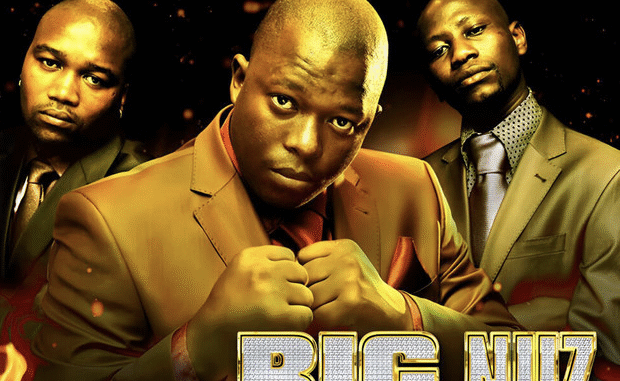
The South African music group that has come to be associated with Kwaito and Gqom music, synonymous with the townships is the Big Nuz based in Durban, KwaZulu-Natal, which fuses the township culture with catchy beats and memorable melodies. The group was formed in 2002 and was initially composed of three group members, Mandla Maphumulo (as Mandla Mampintsha) and Sbu Nkosi (as Danger) and Lastee. Through their vibrant performances, upbeat songs and the capacity to send along the essence of townships in South Africa, they became one of the most powerful bands in the contemporary urban music sector in the country. Their music captures the lives, challenges and joy of the ordinary life and speak to people in South Africa and the continent.
The members of Big Nuz have been brought up in Umlazi township Durban where they were introduced to the rich musical atmosphere in KwaZulu-Natal. They were also exposed to local Kwaito, Maskandi, hip-hop and R-and-B music since early years and it is what gave them an eclectic sound. Their childhood in Umlazi influenced their artistic vision and introduced into their music the feeling of the cultural identity, narration, and rhythm which would be later regarded as their distinctive feature of style. Playing on local events, talent shows, and community gatherings helped them to gain some stage presence, singing, and some knowledge on what appeals to the listeners, which forms the basis of their success in the future.
Big Nuz earned national publicity through the release of singles which reflected the atmosphere and very essence of township life. Their ability to combine rhythmic beats of Kwaito and melodic choruses and streetwise lyrics became evident in such tracks as Phepha Lami and Vuleka. In their songs, they tend to glorify the community, love, strength, and the ups and downs of living in the real world, the realities of young South Africans moving through the urban environments. Their narration coupled with catchy beats and catchy melodies enabled them to reach a large audience and hence their songs played well in the clubs, on the radio and in the social gatherings.
In Zozo (2004), the band achieved its first album, which made it an important force in South African music. The album was founded on the Durban urban sound that was mixed with Kwaito and the rhythmical melodies of the time. The trademark of Big Nuz is a blend of heavy bass, percussion, and rhythmic vocal lines which appeal to the audience on an emotional, as well as a physical level. Their music is popular amongst the lovers of dance music and at the same time they do not lose their cultural authenticity and hit the middle ground between the commercial and the township.
One of the most striking aspects of Big Nuz art work is that they managed to create music that was entertaining and at the same time culturally based. The vocal performance, harmonies, and lyrical style of the group are based on accessibility, relatability, and rhythmical accuracy. Their lyrics usually agitate on topics pertaining love, friendship, loyalty, community, and perseverance, based on their personal experiences and those of communities they are representing. This storytelling, catchy hooks, and rhythm-driven production has made them stay in the South African music.
Big Nuz has produced a number of successful albums over the years such as the successful albums like Undisputed (2011) and Made in Africa (2013) that established their superiority in Kwaito and Gqom music. Such hits as “Drive” and “Umoya” were hymns and were praised due to their catchy rhythms, catchy lyrics, and dynamic sound. Their songs usually have some elements of traditional South African sounds, electronic sounds and modern urban rhythms which represent the development of the music industry in the country and its focus on its origins.
Live performance has been the main focus in Big Nuz. The group is renowned because of their energetic stage performance, which involves high energy choreography, interactive shows and rhythmic singing. Their live performances and gigs in the clubs are hailed as producing an experience where music, dance, and cultural pride intersect. Their music alone is not the only thing that attracts fans, their charisma, power to make the crowd active, and the sense of community their performances create are as well.
Teamwork has been one of the major factors in the career of Big Nuz. They have collaborated with established South African artists in Kwaito, Gqom as well as Afro-pop such as DJ Tira, Mampintsha (as a solo artist) and newer artists making their ways in the urban music industry in Durban. These partnerships have not only broadened their sound but also exposed them to a new audience and their dominance in various genres of music. Through its adoption of the collaborative approach, Big Nuz has not been left behind, as it has continued to innovate and develop as artists.
Besides their music production, Big Nuz has also played a role in South African culture through popularizing narratives of the townships, pride, and authenticity. Their lyrics, imagery, and performances glorify normal life at the urban communities in South Africa motivating both fans and young musicians. They are resilient, creative and can convert personal and community experiences into music that is not only entertaining but also has the ability to connect with the listeners in an intimate way.
The group is also affected tolled by the death of one of their members, Mampintsha, in 2022, which caused a significant impact on the South African music scene and their followers. In spite of this, the legacy of Big Nuz lives on via their records, live concerts and impact on the young artists in the Kwaito and Gqom genres. Their songs are still being hailed as full of energy, culture and timelessness.
Big Nuz is one of the most recognizable urban music bands in South Africa today. Their input on Kwaito, Gqom, and township-based music help them to have the power to mix tradition and modern trends into producing music that is more localized and popular.
Big Nuz has influenced a generation of listeners and musicians by the way their albums, collaborations and live performances have influenced the sound of the modern South African music. Their artistic heritage was characterized by inventiveness, cultural authenticity and adherence to the need to glorify the stories and rhythms of South African township life and thus their presence in the annals of musical history of this country.
All Songs
- Africa Shine +DJ Tira, Incha Jae, Zululand Gospel Choir
- Siyashisa
- Gibela +Kwela Tebza, DJ Tira
- Yes Please +DJ Tira
- Amabhakede Othando +DJ Tira
- Superman +DJ Tira, DJ Bongz, DJ Twitty
- Halleluya Uyinkosi +S’fiso Ncwane, DJ Tira
- Kwaze Kwamnandi
- Umlilo +DJ Tira
- Ungesabi (Remix) +DJ Tira, Daddy, L’vovo
- Siyagijima +DJ Tira, Slikour
- Le Ngoma +Joocy
- Newlands West +DJ Tira
- Umhlaba Uyahlaba (feat. Character & Madlisa) +Character, Madlisa
- Mantshontshana +Worst Behaviour, Shayo, Phila
- Umuntu +Bhar, L’vovo
- Ukhetha Bani +DJ Tira
- Tribute +Emza, MLU
- Intombazane +TOSS, DJ Tira
- Kukhalu Meeee +Babes Wodumo, Sbo Afroboyz, Skillz
- Solalala +Skillz, Babes Wodumo
- Drip Iyaconsa +DJ Tira, Skillz
- Khuza +Worst Behaviour
- Nyatheleka +Costah Dolla
- Siyacela +DJ Tira, Joejo
- Groova Neyi Poki +DJ Tira, Prince Bulo
- Amagunya +DJ Tira, The Gift
- Angikho Right +Q Twins, Prince Bulo
- Bashaye +DJ Tira, Skillz
- Just For Control +Mdumazi
- Ncinci Bo +Masandi, Skillz
- Phumelela +Fey M, L’vovo, Costah Dolla
- Insimbi Zo Makoya +DJ Fisherman
- Ngeke +Dj Yamza
- Azul (feat. Bean RSA, Prime De 1st & Big Nuz) – Radio Edit +BEAN RSA
- Azul (feat. Bean RSA, Prime De 1st & Big Nuz) +BEAN RSA
- Sibongile
- He Reigns (feat. Uzalo Choir) +Uzalo Choir
- Osisi Bendawo – Clock Remix +Clock
- Benu Benu +DJ Tira, Babes Wodumo
- Isgubhu +L’vovo Derrango
- Tsege Tsege +Durban’s Finest, Babes Wodumo
- Amaphela +Dj Bongs, Professor
- Umsindo +DJ Tira
- Siyanqamuka
- Win Win +Mi Casa
- Halleluyah +Lombo, Joocy
- Osisi Bendawo
- Cream
- Phaqa
- Ama Starter +DJ Tira
- Ingelosi +Mondli Ngcobo, Zakwe
- For Real +MLU
- Do You Still Remember +Jaziel Brothers
- Do You Still Remember
- Outro
- Qondanisa
- Jabula Ujule
- Inuz Ikhiphile
- Magic Carpet
- Umthwalo Uyasinda
- Move Your Body
- Siyi Zinja
- Your Love
- Just That
- Incwadi Yothando
- Inazo
- Hawaii
- What You Need
- Lets Do It
- Impilo
- Kwamandi Emhlabeni
- Ama Thousand +Kenny King Sushi, L’vovo Derrango
- Idedele
- Still Available +Tzozo, Mzekezeke
- Groova Ubusebenza
- Ama Lights
- Asispan
- Iplan
- Owami +Shota
- Ama Toyz
- Inkabi +DJ Tira
- Rockafella
- Spin the Bottle +DJ Tira, Bhar
- Zombo Mbeyo
- Emahlanyeni
- Wayilamula +Khuli Chana
- Thina Sobabili +Bongs, Mondli
- Imisebenzi Iyabonakala +Bhar
- Ntombenhle +Bongani Kwanyana
- Iskim Esisha +DJ Tira
- Sting Ray +DJ Tira, Bhar
- Waygcina Nini
- Serious
- Please +Spijo
- Intandane +Sgem1, Akani
- Mzimba +Ismeal
- Ntshiza
- Kgalimela Lenyatso
- Phakamisa
- Bayasthanda +Sgem1, Slovan
- Hola Gazi
- Cheese Girl
- Zikuphi
- Shay’ Izulu
- Zozo