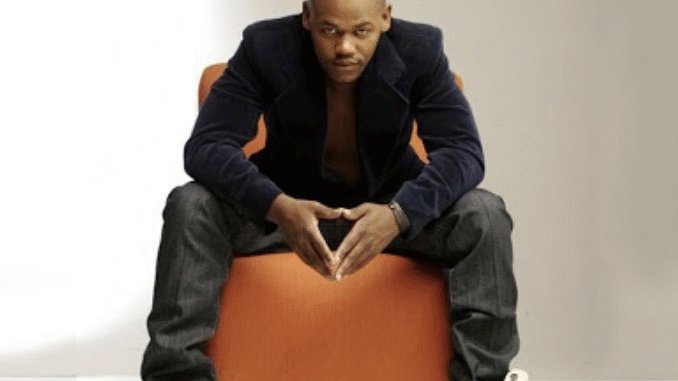
In 2007, Pro Kid released his album Dankie San with the song “Abo-Ringa-Mo” on it. The name of the song, frequently pronounced as “Abo-Ringa-More” or “Ringa Mo” is a township slang-term, where ringa means to do something wrong or false, therefore abo-ringamo is slang-speak for those who fake, those who wrong, fake people, or those who deal in fakery. The song is a mixture of local township dialect (tsotsi-taal) and English in one, a characteristic of the Pro Kid style, which is deeply entrenched in South African hip-hop and kasi rap.
Since its inception, “Ringa Mo” has been the constant manifesto of Pro Kid: a crude, sincere look at the issue of trust, betrayal, street life and the effort to remain authentic when immersed in hypocrisies. In the song those who are fake, imitate or copy people, those who sample wrong, play wrong or fake loyalty, are plainly called out. The lyrics relate how it hurts to betray, be envious and suspicious when success begins to turn your world upside down.
The reason why the song “Ringa Mo” rings is because it brings the reality of most township young people: they grow, but they attract attention. Pro Kid notes that after he started getting big, certain individuals started perceiving, mocking, or sampling wrong – duplicating the way he dresses, questioning his intentions, or forgetting the way he grew up. A rhetorical question, the chorus, He baphi laba abo ringa mo, refers to the place of those people. making the listeners think about being loyal, authentic, and the effects of playing it wrong.
In addition to personal deceit, the song touches on the system-wide problems: inequality, social pressure, and the struggle to achieve success in an honest and fair way when in the world many might not see the value of real efforts. He dismisses shallow popularity, empty acquaintances and shallow prosperity. Rather, he insists on respecting hustle as real, and not pretense, which is something many South African societies may feel.
Pro Kid Linda Mkhize, better known as Pro Kid, is widely considered one of the first to introduce kasi rap to South African hip-hop, with all the experiences of the townships, colloquialism, and bare life stories into the worldwide hip-hop consciousness. His style was a mixture of local and global rap, which allowed young township children a voice.
Released in 2007, “Ringa Mo” was an album that was in a sense the township rap finding its identity, in reaction not only to the global hip-hop culture, but to local conditions. The song helped to characterize the sound of a generation gritty, honest, and unapologetic and based on the life of the township.
Following the untimely demise of Pro Kid in 2018, such songs as Ringa Mo became a part of his legacy, a reminder of his truthfulness, his readiness to say what many media do not want to hear and hear, and his readiness to speak on behalf of people who are often overlooked in society. The new generations of South African artists still are influenced by his music because of the use of township reality, authenticity, and social commentary.
In the music, Ringa Mo has understated beats, drums, heavy rhythm and a rough production sound that puts voice and lyrics at the forefront instead of a fancy musical instrumentation. The flow of Pro Kid is a mixture of local and English, that, duality – local and global – works out better with his articulation, providing the song with both a township feel and a universal appeal.
It is also not glamorous but real and the tone is quite confronting. His crime does not glorify crime or violence, but he tells about struggle, betrayal, envy, the success of crime, and the personal price one has to pay to overcome the township setting. It is down-to-earth realism – that is familiar to the listeners who grew up in such situations.
Over ten years later, “Ringa Mo” has not lost topicality. Its topics, authenticity, luck, loyalty, betrayal, success under its scrutiny, span generations. With the South African music changing with the new genres and combinations, Ringa Mo is a symbol of where the new township rap started: through hardship, through experience, through sincerity.
The song is a historical and social reflection to newer audiences. To those who experienced it at the time, it is nostalgic, gritty and introspective. In the case of younger listeners it provides an insight into township realities, what is meant by making it and what price is sometimes attached to success.
Talks of identity, authenticity, and social inequality are still pressing even in 2025. Such songs as Ringa Mo demonstrate that music can be more than entertainment it can be the commentary, resistance, the memory, the identity.