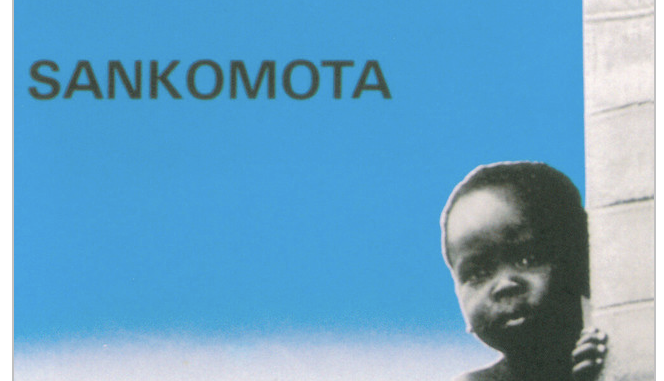
Sankomota is a music band which has made a tremendous impact on the Kingdom of Lesotho and one of the earliest to introduce the fusion of Afro-jazz in the Southern part of Africa. The group was established in 1976 in Maseru and it was widely known to have the ability to intertwine Afro-jazz, rock, soul, and traditional Sesotho beats into an exclusive musical genre that was felt throughout Africa and abroad.
The band was initially named Uhuru, which means freedom in Swahili, before it was renamed Sankomota, which has some historical and cultural importance to Basotho culture.
Sankomota classic band consisted of Frank Moki Leepa, Tsepo Tshola, Moss Nkofo, Black Jesus (Harebatho Musa), Moruti Selate and Pitso Sera. The two of them joined together to produce music that fused modern jazz, African narratives, and beats.
The band was a great success in Southern Africa and Europe in the 1980s and early 1990s. Their music covered social facts, cultural identity, political fights and yet they stayed connected with Basotho traditions.
Sankomota has published several successful albums and toured other countries over the years making themselves cultural ambassadors of the Lesotho music. In spite of the change of the lineup and the death of such prominent contributors as Frank Leepa and Tsepo Tshola, the legacy of the band still affects the artists of the African jazz and fusion today.
Quick Facts
| Fact | Details |
|---|---|
| Band Name | Sankomota |
| Origin | Maseru, Lesotho |
| Formed | 1976 |
| Original Name | Uhuru |
| Genres | Afro-Jazz, Jazz-Rock, Afro-Fusion |
| Founding Members | Frank Moki Leepa, Tsepo Tshola, Moss Nkofo, Black Jesus, Moruti Selate |
| Famous For | Afro-jazz fusion and Basotho musical influence |
| First Album | Sankomota (1983) |
| Years Active | 1976 – present |
| Associated Artists | Hugh Masekela, Oliver Mtukudzi, Thandiswa Mazwai |
Early Life
Sankomota is a story that started in Maseru, Lesotho whereby a collective of talented young musicians formed and had a vision that they would produce a new sound which had a basis on African identity. The band was initially established by a guitar player and composer Frank Moki Leepa who initially formed a band called Anti-Antiques when he was still in school.
However, with the development of the band, they chose to rebrand the band to Uhuru, a spirit of political awareness of freedom that was being enveloping Africa at that time. The band again renamed itself Sankomota to be confused with the Jamaican reggae outfit Black Uhuru.
The initial band line up consisted of:
- Frank Moki Leepa – guitar and vocals.
- Tsepo Tshola – songwriter and lead singer.
- Moss Nkofo – drums
- Black Jesus (Harebatho Musa) – percussion.
- Moruti Selate – bass
- Pitso Sera – guitar
The musicians were a significant proportion of the musicians who had experience in church music, jazz, and traditional African styles of performances. These are some of the factors that contributed towards the formation of the unique musical identity of Sankomota.
The band played concerts in numerous areas of Lesotho and other countries around it, South Africa and Eswatini, with their early years and had a consistent fan base.
They were able to distinguish themselves in the new Afrofusion music with their energetic performances and their original compositions.
Career
Sankomota was soon to be one of the most popular bands in Lesotho in the late seventies. They combined jazz improvisation, rock with traditional Basotho rhythms and their music was both modern and cultural.
The band did not stop winning popularity in Lesotho and the rest of the world despite the hardships they encountered during the period of apartheid where many African musicians found it hard to perform in South Africa.
Their first international break was in 1983 when they released their first studio album which is known as Sankomota. The album was teamed up with the aid of the Shifty Records producers Lloyd Ross and Warrick Sony and was the first LP to be recorded in Lesotho which was a historic event in the music industry of the country.
International Recognition
After the successful release of their first album, Sankomota started to tour in other countries. Later in the mid eighties the band moved to London where they accumulated more fans and joined other African musicians who were in exile.
During their stay in Europe, they recorded some of the significant albums such as:
- Dreams Do Come True (1987)
- The Writing’s on the Wall (1989)
Such releases also made Sankomota one of the top Afro-jazz fusion bands in Southern Africa.
Musical Style and Influence
The music of Sankomota is notorious in the combination of several genres:
- Afro-jazz
- Jazz-rock
- Soul
- Traditional Basotho music
Their songs also included the themes of social justice, cultural pride and political awareness particularly in the epoch of apartheid in Southern Africa.
The lead singer of the band Tsepo Tshola happened to gain a lot of popularity due to his strong voice and emotional performances which in the end enabled him to start a successful solo career in the 1990s.
Later Years
In 1991 Tshola walked out of the band to go to solo career, and this was a big twist to Sankomota.
Even with this development, the band remained on stage and produced songs in the leadership of Frank Leepa. The following years saw the group issue a number of other albums and continue to play within the local music industry.
But then there were tragedies within the group too. In 1996, the band members had an accident while on their way to Cape Town and some of the members died in the process.
The death of major personalities, such as, in 2003, Frank Leepa and, in 2021, Tsepo Tshola, later signaled the final days of the legendary group.
TOP 10 SONGS
The most popular and influential Sankomota songs in some cases are:
- Madambadamba
- Papa
- Stop the War
- Confusion and Rain
- Thula Sizwe
- House on Fire
- Maposholi
- Lekhara-khara
- Obe
- Dreams Do Come True
These songs demonstrate how the band has been able to blend African beats with jazz and rock elements in addition to providing strong narratives.
Personal Life
Sankomota was not a solo artist but a band, although the members of the group had a great sense of cultural belonging and art mission. Most of the musicians were strongly attached to Basotho traditions and wanted to convey their roots to the music.
Close friendships also formed among the members of the band during the years in which they also performed with other African musicians and attended major festivals. Their stay in Europe in the 1980s made them exposed to various forms of music, thus adding value to their sound.
Sankomota was a key cultural icon of Lesotho, through their performances and songs, the group gave the nation a chance to showcase their artistic prowess internationally.
Net Worth
Due to the multi-memberage and several-decades-old band that Sankomota is, there is no publicly available figure of the band’s net worth. Nevertheless, they have been earning through the following:
- Album sales and streaming
- International tours and live performances.
- Licensing and Royalties of Music.
- Cooperation with other artists.
Sankomota is one of the most successful and influential bands in the history of Lesotho music with a career taking up over forty years.