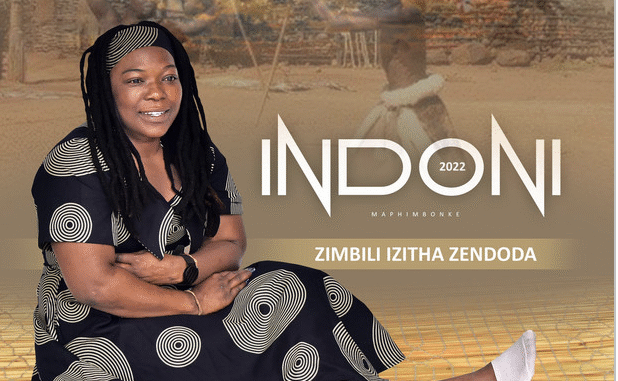
Indoni (born in South Africa, KwaZulu-Natal) is a renowned maskandi musician, singer and song writer whose music has the rich storytelling and cultural heritage of the Zulu music. Indoni, with his emotional singing, his elaborated guitar work, his genuinely rooted lyrics has made himself a great name in the modern maskandi scene. His music appeals to the whole audience, both the old and the young, with both old and new sensibilities to make a timeless and contemporary sound.
As a child in a rural Zulu village, Indoni was engulfed by the music, beats and stories that are the foundation of maskandi. He had known local guitarists, community ceremonies, and cultural gatherings at a very tender age where music was used as entertainment and narrative. These childhood experiences made him have a strong appreciation of the expressive power of music and how it is used to hold onto the tradition of Zulu. He was inspired by great maskandi musicians of the past and started playing with guitar and voice and how to put the stories around him to music.
The career of Indoni as a musician was informed by his adherence to authenticity and emotional honesty. He acquired his talents via drilling, watching and being tutored by elder musicians in his community. At the age of adolescence, he was already writing original songs, experimenting with the theme of love, life crisis, family, and ethnicity. His early work was representative of the life of ordinary South Africans, and it was shot through with the subjectivity of a young artist trying to understand what was happening around him. This base was the trademark of his style: touching, culturally-based, and appealing to the audience.
His career in music started when he released a series of singles that easily drew attention as to their honesty and music quality. His talent to respect the main pillars of maskandi; the acoustic guitar, the narrative lyrics, and the rhythmic patterns, but at the same time, making slight modifications that were popular with the contemporary audience was what made Indoni unique. His songs still had the narrative quality of maskandi, but they were formulated in a manner that could be embraced and easy to associate with by a wide audience group, including young people who could otherwise migrate to modern forms of music.
The lyrics in Indoni can frequently be found to be exploring the multifacetedness of human experience. He addresses the issues of love and heartbreak, personal development, family matters, community values and social observations. Songs like, Ngiyakhumbula Wena, Isoka Lami and Ubambo Lwami demonstrate his ability to put emotion in music, both through lyrics and through his instrumentation to produce emotion and thought. The songs are his personal expression and cultural record, which provide the theorist with an insight into the lives, hardships, and victories of the societies he embodies.
Teamwork is a significant part of the artistic development of Indoni. Co-operations give him a chance to test his own identity with complementary styles mixing traditional maskandi with the slightest modern touches. These collaborations have strengthened his image of an all-round and a team player who is devoted to developing the genre.
Live performance is what Indoni is as a musician and core of her career. He is a highly spirited and interactive performer who has played cultural festivals, community events and maskandi events, which provide his audiences with immersive experiences. The narration is vivid on stage, with the assistance of dramatic guitar playing and emotional singing. Live shows not only entertain but also make him more attached to his community and culture, as a listener can feel the richness and the energy of maskandi.
The importance of Indoni to South African music scene is that he was able to reconcile tradition and modernity. Although his music has its deep foundations in Zulu maskandi styles, he shows that cultural music can be developed without its spirit being lost. He makes sure that the maskandi is made to suit the younger generation by not losing its heritage or the authenticity of traditional listeners. By doing so, Indoni helps in the preservation and development of the South African music in the future.
Indoni has been struggling with difficulties, such as entering the competitive music industry, scarce resources, and the necessity to be creative and remain classic at the same time. Nevertheless, he has developed a career that revolves around consistency, commitment and cultural integrity. Every album, single and performance is a testament to his work ethic and his interest in telling stories and as a result, he is a respected presence in the maskandi genre.
To conclude, Indoni is also an energetic and commanding presence in the South African maskandi music. His writing is the soul of the Zulu culture with a combination of tradition, emotions, and innovations. His songs create stories that are personal and universal through his vocals, guitar, and lyrics and define the meaning of life, love, and community. Indoni being an artist maintains the richness of maskandi and assists to create its role in the contemporary world. His music is also educative and inspiring in addition to being entertaining so that the culture he embodies is still alive. In each song, performance and collaboration, Indoni is establishing a strong foundation as one of the most important elements of the future of the South African traditional music and it can be concluded that the ancestry of maskandi is not only vibrant but also living and relevant to the generations to come.
- Amaqembu Epolitiki
- Fundani
- Amagoso
- Inkonyane Yedlozi
- Ngiyaphaka Manje
- Qomani Matshitshi
- Vulani Singene
- Anosukuma Nonke
- Hamba Kulungile
- Ihhovisi Likahulumeni
- Kuyekele Kubazali
- Siyasha Isibhamu
- Bayothi Sithwele
- Ngiyagowa
- Ziboshiwe izinsizwa
- Isidumbu Somunt’ ofileyo
- Baba ngenzeni
- Emjolweni
- Kuyashisa Emendweni
- Vika ngibone
- Mnakwethu
- Ukube Nginemoto
- Niyawaphoxa Amasok’enu
- Intando KaMdali
- Bobuya
- Inkani Yami
- iBaby Shower
- Angesabi lutho
- Isililo Sabesimame
- Ngixine
- SIHOLENI NGEQINISO
- BAYOZILA NJALO
- SEKWANELE
- TSHELA ABANTU
- NGAMQOMA BEMNYUNDA
- UBOBAYEKA ABANTU
- UBANI OYOTHI QHA?
- INGOMA YAMI
- ISIGQILA SOTHANDO
- BAYANGAZI
- ZIMBILI IZITHA ZENDODA
- FIRST LOVER 2
- UDLALA KABI
- IZINCWADI EZINHLANU
- NGICELA UNGI-POSTE
- Mantongomane
- Ngizokwethemba Kanjani?
- Igama Lami
- Ichalaha
- Amaciko Angasekho
- Lesisifo
- Amazondo Okufa
- Ndoni Yesizwe
- YIMI uGoalkeeper
- Ixoki Emculweni
- Ukufa Kwamakhansela
- Msheli wam’
- Mhla s’dibana
- Banxeshezelwa Ngani?
- Bashinga Ngezithupha
- Ngicela ungi Poste
- MAPHIMBONKE
- TRIBUTE TO UBABA WETHU
- NATHI SIZINSIZWA
- BASHINGELANA BODWA
- AMATSHITSHI
- EMAHLABATHINI
- HAMBA HHASHI LAMI
- UBUHLE BAMABHINCA
- ISIKOLE SENGOMA
- USEBUYILE UMSHELI WAMI
- INDABA YAMI
- ILUNGELO LAMADODA
- Baba Sivikele
- Umkhonto Wami
- Is’khebeleshe
- Ngavika Ukukhuluma
- Ukufa
- Amanxeba
- Inhlokomo
- Msheli Wam…
- Imbokodo
- Ninginikwe Ubani?
- Ngacula Kahle
- Baswenka Badlul’ingoma
- Ema-Mall
- InseleloYengoma
- First Lover