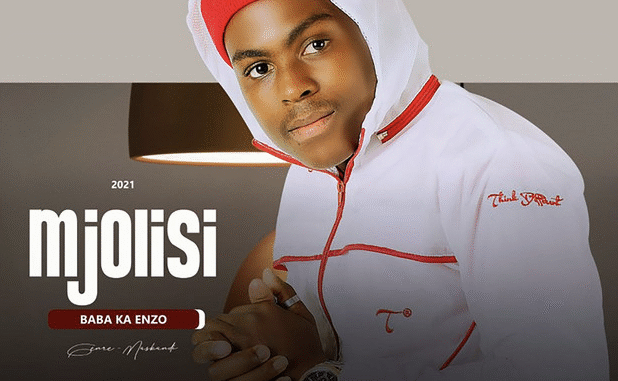
Mjolisi is a new extrovert South African maskandi artist born in KwaZulu-Natal whose music is a fusion between the raw emotive nature of the traditional Zulu narration and contemporary music expression. Having a very distinguishable voice, soulful lyricism together with musical style that is both disciplined and creative, Mjolisi has already established a name as one of the young torchbearers of contemporary maskandi. In his work, the respect to the traditions in which he grew up is visible and at the same time, the development of the genre in the digital age is projected in his work.
Mjolisi was exposed to the music of maskandi at a young age, as he grew up in a rural environment with a high number of Zulu culture. His people did not just listen to music as a form of entertainment but as a source of heritage, expression, identity and communication. This is the environment that influenced his artistic background. He heard legendary maskandi legends, took part in the traditional events, saw local guitarists, and slowly grew interested in telling stories with the help of the song.
Mjolisi started his artistic career learning how to play the guitar, that is one of the basic instruments in maskandi. He was rehearsing like crazy, sometimes hours in mastering his finger-picking, aping the manner of the recognized artistes, and slowly finding out his own sound. His teensy-weensies were mere echoes of life, love, struggle, and family, yet, they were full of emotional sincerity that predicted the kind of an artist he was to be in the future.
He broke through when he started recording and distributing his music on his own. His early songs caught the eye of listeners due to their honesty and narration. With the increasing prominence of digital platforms, Mjolisi relied on them in an effort to reach beyond his local listeners. His music appealed to the older generation who valued traditional roots and the younger generation who could relate to his emotional content and the themes of his music. This two-sidedness ensured that he was a star in the maskandi.
Another highlight in his career was the publication of his emotionally-charged collaborations. Among the brightest examples is the song Ubambo Lwami and it highlights his skills to combine personal reflection and expressive singing. The song was also widely known because of its powerful message of loyalty, heartbreak and survival. The deep-toned and sincere yet vulnerable voice of Mjolisi moved the listeners. The collaborations also assisted him in exposing him to wider groups of people expanding his musical presence and making him an artist that can safely blend both the traditional and contemporary.
The lyrical content of Mjolisi has a tendency to center on the realities of South Africans in their day-to-day life, such as love, criticism, survival, family, and emotional wounds. He is a blogger drawing on his own experiences and observations in his community and bases his music on the authentic. He uses subjects that other fans can relate to as he does not hesitate to touch upon them. The songs have a feeling of truth, readiness to speak both of the pain and hope.
Vocal delivery is also one of the laudable attributes of his art work by Mjolisi. There are natural warmth and emotional depth in his voice. His tone is selfless whether he is singing about heartbreak, spiritual reflection, and life challenges. His guitar lines are also expressive, though, at times, tender and melancholic, or, at other times, rhythmic and cheerful. A combination of these things form a staple sound that one can recognize as his.
With the development of his career, Mjolisi still strived to develop as an artist. He tried newer ways of production without compromising his maskandi base. This balance enabled him to attract older fans without having to lose younger listeners. He knew that to continue existing in the contemporary world, maskandi had to have such artists as him, traditional, yet not afraid to develop and hopefully innovate.
Live shows are also significant in the career of Mjolisi. He has played in different cultural events, community and maskandi events and traditional ceremonies. He is passionate and energetic on the stage. His performances are very emotional and spiritual as fans tend to call them. Mjolisi is not merely a singer on stage but an entertainer, a cultural ambassador and a spokesperson of all the people who perceive themselves in his music.
He has not had an easy time ascending to the industry. He was strained financially, had few people to support him, and had to compete in a genre that had great personalities and fame. Nonetheless, the determination of Mjolisi has enabled him to be focused. Attributes such as consistency, quality releases and closeness to his cultural origins made him build his audience. There is evidence of his growth that authenticity is not lost in the traditional music.
The work of Mjolisi on maskandi represents the new generation of the modern traditional artist. They maintain the tradition and at the same time adopt modern methods, a mix of acoustic guitar and modern mixing, digital distribution and co-operations across intro-genres. Mjolisi has already become one of the members of the voices which show that maskandi could be both old and new.
Mjolisi is a very emotionally honest person, which makes him very special. His musical work is one that is experienced rather than created. His music is a reflection of life of common people, both happy and sad, bewildered and enlightened. He provides the listener with a musical area to recover, contemplate and recollect.
Altogether, Mjolisi is an influential and emerging figure of maskandi in South Africa. His songs are a mixture of tradition, modernity and emotionality. His originality, creativity, enthusiasm and fearless narration have made him one of the new generation that is making its mark in the future of maskandi music. His success keeps expanding, and he serves as an inspiration that the spirit of maskandi, the truth, heritage, and humanity will stay alive through the artists who follow tradition but do not go too far.
- Ama A-Lister
- Sebegaxele (Nywe Nywe Nywe)
- Ungishela Ngamanga
- Amaphilisi
- Dlala Ngento
- IThemba
- Soft Spot
- My Dululu
- Incwadi Engafundeki
- Ngisesibhedlela
- Ungipostelani
- eSpar
- Bayahethana
- Ubani Inyoka
- Africa My Home
- Bagabisele Ngengoma
- Mamezala Wami
- Siyovota
- Angisayiboni Kahle
- Indoda Must
- Yimi Unompempe
- Shandarapha
- Umkami Sengalile
- Thonga Lami
- Hamba Kahle
- Khohlwa Dube
- Umaqondana
- Thula Mama
- Yindaba Kabani?
- Akalele (R.I.P Shimora)
- Imiyalo Yabazali
- Izingxabo Zothando
- Nkosi Yethu Simakade
- Ngidelile
- Ngiyekeni
- Thembelihle
- Uyadela
- Amaholide KaDecember
- Bavumile
- Abafana Abangaqhathiwe
- Ngibambe Kwamancane
- Dear Nkulunkulu
- Usizi
- Amagama Othando
- Dlala Mfana
- Umlilo Wamaphepha
- Love Life
- Wangishiya
- Lumnandi Uthando
- Themba Lami
- Konakelephi?
- Blue Nation
- Uyangihola
- Umgqumeni
- Baba KaEnzo