
Sibonelo Skweletu Mgube better known as Skweletu is a South African maskandi artist who has gained great respect due to his poetic songwriting, traditional Zulu musical grounds, and touching narrative. He started as a humble boy in the rural KwaZulu-Natal but has grown to appear as one of the most recognizable contemporary figures in maskandi, a genre fused with folk guitar, narrative lyrics and cultural heritage. Skweletu is also noted to have a unique tone of voice, emotional performance, and his music is personal in that it addresses life, romance, and family, as well as individual tribulation. His songs touch on the hearts of people who value originality and national belonging and he has built a strong following in South Africa and the rest of the world.
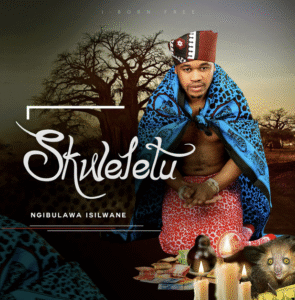
Skweletu was born and grew up in a culturally diverse Zulu background and this exposed him to traditional music at a young age that made him to establish his artistic base. He was exposed to maskandi at a tender age in terms of community gatherings, ceremonies as well as in the activities of the renowned musician who had made a mark in the genre prior to his birth. This atmosphere inspired his passion in music and assisted him to develop a strong attachment towards storytelling, rhythm, and heritage. Since childhood, Skweletu learned to listen to music as well as respect the traditions which maskandi is the embodiment of, which is the basis of what would become the artist he was.
The actual move into the music business happened after years of honing his music, composing songs, and living in the maskandi. Adopting an elegant style of lyrics as he grew up as an artist, he turned to both personal and general subject matter. He did not become an overnight star in the industry; he achieved this by being consistent, performing live, and being committed to engage the audience with the help of genuine stories. Gradually, Skweletu was acknowledged as a performer whose music could entertain and at the same time reflect and preserve the culture.
Among the other traits of Skweletu music is his tendency to talk about the relatable human experiences. His songs usually talk about love, heartbreak, pressure in the world, ambitions, betrayal, friendships, and family relationships. He also often dwells on spiritual and emotional conflict, which is also a characteristic of conventional maskandi narrative. This has enabled him to retain a high emotional appeal among his audience and comfort and sympathise with his emotional self-deliberations.
He has a discography of a number of albums and singles that have gained him popularity within the maskandi fraternity. His musical versatility and lyrical richness have been on display in songs such as Ngidlishe Ngingasoli, Isoka, Umoya, Ngiyabonga and Ngeke Ngilale. With every release, his status as a quality, emotionally and culturally committed artist was solidified. Skweletu also received a reputation of creating a song that is based on real life events, personal struggle, and lessons learned- a very important aspect of maskandi tradition.
It was one of the most critical events in the life of Skweletu when he started cooperating with other famous maskandi musicians. Such collaborations allowed him to broaden his musical horizons, spread his style to a wider audience, and be recognized by his colleagues in the industry. In maskandi, collaborations have traditionally been taken as symbols of unity, mentorship, and continuity of the cultural tradition, and Skweletu used his partnerships to enhance his artistic self at the same time preserving the genre.
The other factor that made Skweletu grow to be a respected leader in South African traditional music is his vocal delivery. His alcoholic voice has got emotional depth and rawness described by many of his fans as very touching. He is singing joy or pain, but Skweletu is genuine in his vocals. His guitar settings, which are usually based on classical rhythms, have a track with which the audience always identifies with maskandi, and current production features make his music sound more modern. This combination makes sure that his songs are traditional and at the same time they are not phased out as the music industry is fast changing.
Skweletu has over the years been playing at cultural festivals, maskandi events, community gatherings, and other stages in South Africa. His live shows are characterized by passion, energy and cultural authenticity. Live performances enable him to make a direct connection with his fans, strengthening his image as a singer writing and performing about what he has lived and what people feel. He is able to master a stage and make a strong atmosphere, which has also made him very popular.
The music by Skweletu is another significant part of culture preservation. Maskandi is not merely a genre; the genre is a kind of storytelling that is founded on the Zulu identity, history, and commentary of society. By creating his art, Skweletu continues with the traditions of his fathers and breathes life into them in the modern world. His songs give an expression to the voice of the common South African most particularly, rural people whose voices are usually disregarded in mainstream media.
Although quite successful Skweletu has not travelled without obstacles. Similar to most maskandi musicians, he has faced the challenges of the music industry such as lack of commercial sponsorship, monetary difficulties, and the difficulty of preserving cultural values as he expanded his fan base. However, his persistence and adherence to his profession have kept him going. Every new release is an image of his development and changing vision, as he considers his music to be an uncertain path and not the final destination.
The contributions that Skweletu made towards maskandi still define the modern identity of the genre. He belongs to a new generation of musicians who are reshaping the conventional music to the 21 st century- musicians who do not undermine their cultural heritage but welcome change. His art becomes an intermediary to the past and the present and thus, maskandi is still lively, topical, and valued by the younger audience.
To conclude, Skweletu is a vibrant and a powerful personality in maskandi world. His music is a mix of tradition and modernity as he tells heartfelt stories that cut across the generations. His passion and consistency as well as dedication to the culture have made him one of the remarkable personalities that have kept alive and promoted the South African traditional music. The work of Skweletu is an ode to the timeless nature of storytelling, tradition, and humanity as a theme of a song.
Song List
- NO MORE ACCOMPANY & INTO ENHLE MIX – Radio Edit
- Sinda Mphefumulo
- Ngithi Halala
- Ofakazi
- Ngathi Inunu
- Ngeke ngivume ngegama lami
- Ngiyayiphuza
- Sengikhethile + Syanda Tshabalala
- No More Accompany
- Hamba kahle
- Ngeke iphele
- Izinto zenzeke
- Omama bezingane zenu
- Bavulele
- Kwandonga Ziyawa
- Never Let It Go
- Umathandana wenu + Sneh Ntuli
- Sebeyazenzela
- Into enhle
- Usevumile + Syanda Tshabalala
- Kusile thwasa
- Lapho uthandakhona
- Uthuli lwezicu
- Imikhuleko yami
- Bajola emendweni
- Zaziwa khona
- Ngibulawa Isilwane
- Uyangizama
- I-Councelling
- Ngibekwe Khona
- Inja engajola nayo
- Ngezwi elilodwa
- Ngingathi Baba
- Inombolo
- Thonga Lami
- Impi Yengoma
- Zimayakaya
- Nonakele
- U-Telephone
- Inja Endala
- Jazi Leminyaka
- Ngiyazondlela + Khuzani, Sne Ntuli
- Uxolelwano
- Ubuntombi
- Iphupho
- Antagonist
- Inja endlini
- Ukholo lwami
- Thetha inyani
- I come back
- Islima sendawo
- Ngivula eyami imlenze
- Kwangoma
- Umndeni
- Ikhona yona lendaba
- Zinto zimnyama
- Imfene sezindala
- Ikhaya lami
- Angihambi laykhaya
- Unamandla
- Indoda eyangizala
- Emgangaleni
- Imnyaka yoshuni
- umuntu omnyama
- u-Thale
- Isginxi
- Kwakhuluma umawayo
- Ngibhale
- Wagxumagxuma
- Ngiboshiwe
- Uyogana bani
- Umankwembeshe
- Igama lami
- Bizani umndeni
- Khala zome
- Amacilongo
- Life is magic
- Is possible
- Ngiyasala ezintweni
- IMp3 yabantu
- Nimtshele
- Kumnyama idolo
- Amacala
- Ngifuna wena
- Ngifuna ukumbona
- Wayethandaza
- Uyayizwa
- Hamba Juba
- Shaya mfana
- Ungakhathala
- Impi yescoco
- Khuza umkakho
- Khiwane elihle
- Ifiger
- Abekho
- Umfanendiya
- Abafana izinja
- Ayemathathu
- ILove portion
- Ngishiywe isoka
- Injetheni
- Oguluva
- Soyixoxa ngekhwela
- Zabalaza
- Umkhuleko + Sivuyile Jwarha