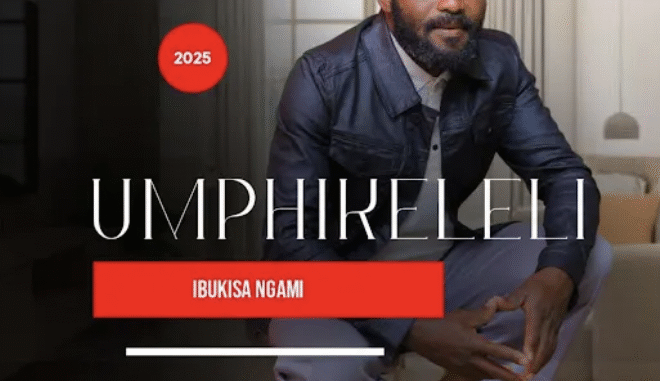
Ibukisa Ngami is a song that was released under uMphikeleli. The song is current as a solo, and it contains approximately 4 minutes 44 seconds.
The title is written in a Nguni language (probably isiZulu or some language similar to it), and it can be roughly translated to Show me or Prove it to me. The term reflects an element of the need of truthfulness or a demand of one to tell his/her truth.
The song appears to fit well into the genre of South African music that is based on vernacular languages, autobiographical narration, and heart-tell-it-all. This provides it with possible appeal to the audience who admire culturally based music and music with real-life emotions.
Little exists in the form of complete publicly available lyrics, but even the title of the piece clearly indicates some themes: truth, proof, revelation, vulnerability. A song where one requests someone to show me brings about love, trust, betrayal, longing or confrontation – it all depends on what the artist would like to say.
Since there are plenty of tracks with Nguni titles which concern love, loyalty, heartbreak or social realities, it can be assumed that Ibukisa Ngami perhaps covers some of the same grounds: relationships, trust, self-worth, identity. The tone of the title, which is emotional, is more of an in-depth and heart touching one rather than a superficial and dance based one.
That zeal of sincerity, identity and reflection fits quite well with most South African songs, which combine the local language, culture and true feeling to the song, which makes such songs interesting not only to listen to but also to be emotionally and culturally to the songs.
Linguistic and cultural representation is one of the strengths of “Ibukisa Ngami. The songs in Nguni languages (isiZulu, isiXhosa, etc.) also directly address the listeners that speak these languages, although they also serve to maintain and strengthen local identity across generations.
In a music world which is dominated by English language, such songs as Ibukisa Ngami reminds us that music based on local languages are still relevant, powerful and attractive. They assist in preserving languages, providing a feeling of identity to people, and capturing lived experiences that globalized music sometimes lacks.
Moreover, artists that prefer to release music with smaller labels or non-mainstream channels, such as uMphikeleli, bring diversity to the industry. They demonstrate that there can be good music beyond high-profile platforms, and that it is possible to directly address a group potentially ignored by mainstream media.
In case the song has a global appeal, it may spawn a new wave of interest in vernacular music that will see more musicians decide to record in local languages and enliven the heritage of cultural production in South Africa.
An emotionally charged vocals-based song, possibly accompanied by soulful singing, lyrics which are emotional in Nguni language, and a melody which focuses more on feeling than flashy production.
Cultural and linguistic authenticity – references, words, rhythm patterns that are indicative of local life, identity and sensibilities.
The feeling of intimacy – like the title demands the sincerity or the revelation, the song can entice the audience to the state of vulnerability, communal suffering or desire, or the glorification of the truth.
Due to the fact that the song can be listened to online (e.g. on Amazon Music listings).
its vernacular music that offers the listener an opportunity to listen to it no matter the location of the audience- it is an accessible piece of the South African vernacular music that is accessible to the local as well as the international audience.
In 2025, when the world is turning into a global musical marketplace driven by the mainstream, we should remember the songs such as Ibukisa Ngami that speak in favor of all the local identity and the genuine voice. They demonstrate that despite the rapid pace of a music market, honesty, cultural reflection, and the ability to express emotions have their distance.
With more artists taking this path, music can be recorded in native languages, address issues of contemporary life, and place themselves outside global pop constructs, we may well witness the revival of local-based music that still appeals to the world around.
To fans, the discovery of Ibukisa Ngami may be a reunion with language, memory and culture, hearing songs that make sense to them, rather than ones they bought and sold on the global scale of a wholesale market. In the case of the music industry, it is an indication that South African innovation is still vibrant, distinct and powerful.