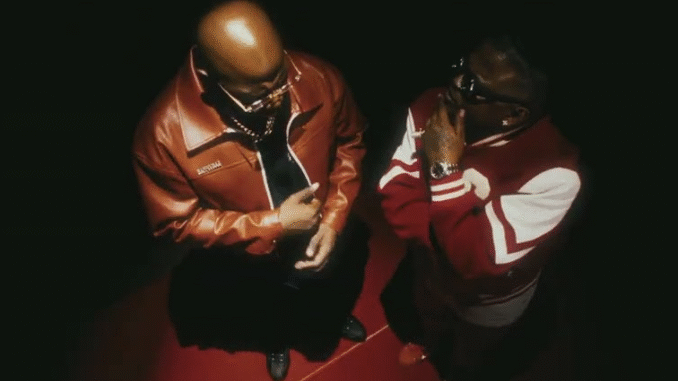
L-Tidos was the first produce a song with “Dlala Ka Yona.” The song debuted in the music consciousness of South Africa in 2015, with L-Tido, a rapper, releasing it. The song soon became one of the party hymns of the time, the hip-hop anthem of youth energy, vibes of night life, and the swagger of South African rap that was all over during the period.
The popularity of the track has prevailed over the years. The certification stressed that, Dlala Ka Yona was not a one hit wonder but had taken its place among the good songs in South African popular music.
The combination of catchy hook, dance friendly rhythm and provocative lyrical style facilitated the resonance of the song. Its chorus and repetitive lines, which prompted listeners to play or dance to it, got imprinted in club playlists, road trips, house parties, and the like. To a large number of the listeners of a particular generation, this L-Tido version is still nostalgic: a picture of mid-2010s South Africa, its beats and its young culture.
It was release to some broadcasting backlash initially as being considered risque, but again the general public acceptance – through streaming, word of mouth and social media – eventually eclipsed official apprehension. The video of the song over time had millions of YouTube views, and that is how online media contributed to its staying relevant even when traditional media lost its momentum.
2025 Redux: DJ Maphorisa, Xduppy and Enny Man Da Guitar – New “Dlala Ka Yona” New Era.
A new song was released in March 2025 dubbed Dlala Ka Yona, this time by DJ Maphorisa together with Xduppy and Enny Man Da Guitar, featuring a number of vocalists and rappers. It is a high-energy Amapiano song, made to be played on dance floors, at street parties and on the rhythm-loving playlists of contemporary South Africa.
This “Dlala Ka Yona” is a modern Amapiano anthem that rhythmically incorporates the older hip-hop-club anthem with the use of pulsing log-drums, deep basslines and guitar riffs under the lyrical singing performances that are spirited. The tone of the song is joyful, aggressive and unabashedly ready to party – an invitation to play it loudly, dance without any inhibitions and to sink in the groove.
With 112 beats per minute, and in a major key, the instrumentation and arrangement are more in line with the present-day township-club music, which goes hand in hand with the main idea of Dlala Ka Yona – dance, energy, freedom.
The song is also advantaged with a list of featured artists and some of whom have varied voices, flows and vocal textures, which bring variety and vigor to the song. It is not merely a kind of nostalgia-driven remake, but a re-origination: an interring of the past and present musical cultures; an appropriation of a title with weight into it, and a new piece of instrumentation and a new setting, and a new life.
Due to the reinvention, blending and reimagination characteristic of the Amapiano movement, this version of the song Dlala Ka Yona serves as both an ode and a transformation: a means of commemorating an old classic and adapting it to modern sounds and cultural setups.
Still Matters Why “Dlala Ka Yona”?
Cross-generation relevance: The song itself is evidence of the ways that some phrases, energies, and songs in South Africa can transform, have different appeal to different audiences, and conciliate the generations. What was popular on the club-goers in 2015 is relevant on the dance-floor crowds of 2025.
Cultural resonance: This expression: Dlala Ka Yona (more or less, play it / dance with it / do it fully) is all about a way of thinking that is at the core of dance, of night-life, and party culture of townships. It is direct, emotional and draws upon a communal cultural manifestation: jubilee, liberation, discharge. That generality is the reason why this concept, as well as title, is recycled over the decades.
Flexibility of South African music: The fact that the same title can be applied both to a hip-hop song and then an Amapiano banger speaks to the adaptability of the South African popular music, how it adapts to the times and always keeps a connection to the tradition. This flexibility makes music new, topical and generationally dynamic.
Linkage between the old and new listeners: The old-loving fans are induced to feel nostalgic; the young listeners are provided with a contemporary song to identify with. In that regard, Dlala Ka Yona turns out to be not just a single song but a cultural fibre connecting the periods, preferences, and social backgrounds.
Challenges
The weakness with the re-use of Dlala Ka Yona as a title: it contains a risk of confusion. Find the song – you can find the 2015 hip-hop version or the 2025 Amapiano version or alternatives with such variations. This may confuse those listeners who are not already well-informed about South African music, which song is associated with which period, what mood each variation is likely to convey, and what it meant to its initial audience.
In addition, comparisons cannot be avoided. The original can be the choice of some fans due to its lyrical directness and nostalgia; the new one may be the option of another group because it is more danceable and is produced in a modern manner. None of them is wrong, yet the twin legacy may complicate the situation with talking about Dlala Ka Yona as a single entity – it is more the case of a living legacy having many incarnations.
Songs
- Dlala Ka Yona — DJ Maphorisa, Xduppy & Enny Man Da Guitar (feat. Focalistic, Ricky Lenyora, Uncool MC, Mellow & Sleazy) — 2025
- Dlala Ka Yona — Mapara A Jazz (feat. SlayZee & Pat Medina) — 2025
- Dlala Ka Yona — Shuffle Muzik (feat. Koki The Mic) — 2021