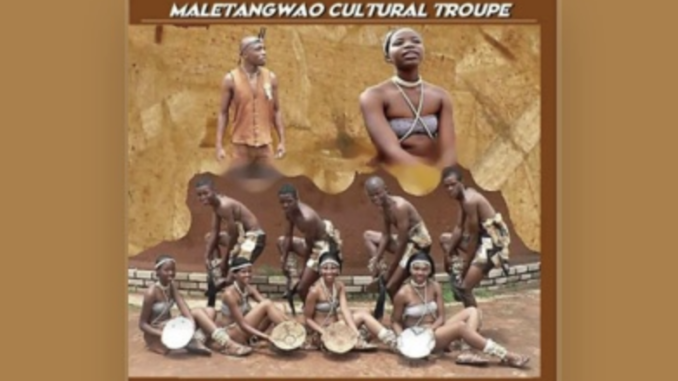
They are a Setswana traditional music and dance group from the North West province of South Africa, and they have dedicated themselves to preserving and promoting the rich cultural heritage of the Batswana people. Their name, Maletangwao, is deeply rooted in the Setswana language and reflects their mission to keep traditions alive through performance. For many years, this group has been one of the most respected traditional music ensembles in the country, and they have represented South Africa on international stages.
The Meaning Behind the Name
In Setswana culture, names carry deep meaning. Maletangwao comes from the word “letangwa,” which refers to a traditional practice, custom, or way of doing things that has been passed down through generations. The prefix “ma-” makes the word plural, so Maletangwao means “the traditions” or “the customs.” By choosing this name, the group made a powerful statement about their purpose. They are not just entertainers. They are the keepers and presenters of the traditions of the Batswana people. Every time they perform, they are reminding audiences of the beauty, wisdom, and value of their cultural heritage.
Early Years and Formation
The Maletangwao Cultural Troupe was formed in the North West province of South Africa, an area that is home to a large Setswana-speaking population. The capital of the North West is Mahikeng, which has a rich history as the capital of the Barolong boo Ratshidi people and the site of the famous Siege of Mafeking during the Anglo-Boer War. This region has long been a center of Setswana culture, language, and tradition.
The group started performing in the late 1990s or early 2000s. One of the artists who passed through their ranks was a young woman named Kegomoditswe Phiri, who later became known by her stage name NANAS. She began singing and dancing Setswana traditional music in 1996 at Mmabana Mmabatho in Mahikeng. Then, from 2001 to 2003, she was a member of the Maletangwao Cultural Troupe. This experience helped her gain management skills and a deep understanding of how traditional music groups operate. The fact that members of Maletangwao went on to have successful solo careers shows that the group was a training ground for talent.
What Setswana Traditional Music Sounds Like
If you have never heard Setswana traditional music before, you are in for a treat. The music is characterized by several unique features. The singing is often in a call-and-response format, where a lead singer sings a line and the rest of the group answers back. This style comes from the way Tswana people have gathered and sung together for centuries at community events.
The rhythms are lively and infectious. You will find it very hard to sit still when Maletangwao performs. The beat makes you want to clap your hands, tap your feet, and move your body. This is because traditional Setswana music is closely connected to dance. The music and the dancing are not separate; they are two parts of one whole experience.
The instruments used are often handmade using natural materials. These include the moropa, which is a traditional drum made from animal skin stretched over a hollowed log. Different sizes of drums produce different sounds, from deep, rumbling bass tones to higher, sharper beats. There are also various rattles and shakers, often made from dried cocoons filled with seeds or small stones. These are tied around the ankles of the dancers, so every step adds to the music. The segaba is a bowed instrument, similar to a one-stringed fiddle, that produces a haunting, melodic sound. And then there is the voice itself, which is considered the most important instrument of all.
The Traditional Attire: A Feast for the Eyes
When the Maletangwao Cultural Troupe performs, they do not just sound amazing; they look amazing too. The dancers wear beautiful traditional outfits that are a celebration of Setswana craftsmanship. The women often wear skirts made of animal hides, intricately stitched and decorated with colorful beads. The beadwork is not just for decoration; different patterns and colors can represent different clans, life stages, or important events.
The men wear similar materials, often with added accessories like shields and sticks that are used in traditional dances. The dancers also wear leg rattles called mathlari, which add a percussive element to every movement. The whole visual package is a powerful statement of cultural pride. When you see Maletangwao perform, you are seeing generations of tradition come alive in front of your eyes.
Traditional Tswana dances are not random movements. They tell stories. Some dances mimic the movements of animals, like the meerkat standing up to look around or the eagle soaring through the sky. Others celebrate important life events like weddings, harvests, or the coming of age of young men and women. Some dances are energetic and fast, requiring great athleticism and stamina. Others are slower and more graceful, emphasizing poise and elegance.
The dancers train for many hours to perfect these movements. It looks effortless on stage, but behind the scenes, it requires discipline, strength, and a deep understanding of the traditions. The Maletangwao Cultural Troupe is known for the precision and energy of their dancing. When they perform, they transport audiences to another time and place.
The Big Break: MIDEM 2010 in Cannes, France
The most significant moment in the history of the Maletangwao Cultural Troupe came in January 2010. That was when they were selected to represent South Africa at MIDEM in Cannes, France. MIDEM stands for Marché International du Disque et de l’Edition Musicale, which is French for “International Record and Music Publishing Market.” It is the world’s largest music industry trade fair. Every year, thousands of music professionals from around the globe gather in Cannes to discover new talent, make deals, and celebrate music from different countries.
In 2010, South Africa was chosen as the “Country of Honour” at MIDEM. This was a huge deal. It meant that South Africa would be featured prominently, and a selection of the country’s best musical acts would perform on the international stage. The lineup included some of South Africa’s biggest stars: The Parlotones, who were one of the most popular rock bands in the country; Lira, an award-winning Afro-soul singer with a voice like honey; Thandiswa Mazwai, the former lead singer of Bongo Maffin and a powerful solo artist; Vusi Mahlasela, known as “The Voice” for his incredible vocal talent; and many others.
And right alongside these famous names was the Maletangwao Cultural Troupe. They performed on the Acoustic Stage at the Hôtel Martinez in Cannes on Sunday, 24 January 2010. Sharing the bill with them were Lira, Wouter Kellerman (a Grammy-winning flautist), Vusi Mahlasela, and even DJ Black Coffee, who would go on to become one of the most famous DJs in the world.
Imagine the pressure. Here was a traditional cultural troupe from the North West province, performing in front of music industry professionals from all over the world. These were the people who signed artists, booked festivals, and decided what music got played on international radio stations. But Maletangwao did not let the pressure get to them. They did what they had always done: they performed their music with passion, pride, and excellence.
For many in the audience, it was probably the first time they had ever heard authentic Setswana traditional music. The rhythms, the harmonies, the dancing, the traditional attire—it was all new and exciting. Maletangwao showed the world that South Africa is not just about pop music, rock music, or jazz. It is also about the deep, ancient traditions that have been passed down through generations. They were cultural ambassadors for South Africa, and they made the country proud.
Why does a group like Maletangwao matter? In a world where young people are increasingly listening to international pop music, hip hop, and electronic dance music, traditional music can sometimes be forgotten. Young people might think that traditional music is old-fashioned or boring. They might be embarrassed to be associated with it. But groups like Maletangwao prove that traditional music is neither old-fashioned nor boring. It is vibrant, energetic, and deeply meaningful.
When a young Tswana person sees Maletangwao perform, they see their heritage celebrated. They see their grandparents’ music presented as something cool and worthy of international recognition. This builds pride and self-esteem. It also ensures that the traditions are passed down to the next generation. Maletangwao is not just performing for audiences today; they are planting seeds for tomorrow.
Collaborations and Influence
Over the years, the Maletangwao Cultural Troupe has collaborated with many other artists and has influenced a new generation of traditional musicians. As mentioned earlier, the artist NANAS got her start with Maletangwao before going on to a solo career. This shows that the group has served as a training ground for talent. Young singers and dancers who want to learn the traditions can join the group, gain experience, and then go on to their own careers.
The group has also shared the stage with some of South Africa’s biggest stars. Performing alongside artists like Vusi Mahlasela, Lira, and The Parlotones at MIDEM 2010 put them in the same league as these famous names. It showed that traditional music belongs on the same stages as pop music and rock music. All forms of music have value, and all can move audiences.
One of the most beautiful things about Maletangwao’s music is that they sing in Setswana. Setswana is a rich, melodic language with clicks and tones that give it a unique musical quality. Even if you do not understand the words, you can appreciate the sound. The language itself becomes an instrument.
The lyrics of traditional Setswana songs often contain deep wisdom. They might tell stories about ancestors, give advice about how to live a good life, celebrate the beauty of nature, or comment on social issues. Many songs are also playful and funny. Traditional Tswana music is not always serious; it can be joyful and humorous as well.
Running a traditional cultural troupe is not easy. It requires funding for costumes, instruments, travel, and rehearsal space. It requires dedicated members who are willing to practice for hours. It requires finding audiences who are interested in watching traditional performances. In a world where entertainment options are endless, traditional groups have to work hard to compete.
Despite these challenges, Maletangwao has endured. They have continued to perform at festivals, community events, and cultural celebrations. They have continued to train new members and pass on their knowledge. Their longevity is a testament to their dedication and to the enduring appeal of Setswana traditional music.
The Future of Maletangwao
Looking ahead, the Maletangwao Cultural Troupe continues to perform and represent Setswana culture. While the most detailed records of their activities come from around the time of their MIDEM performance in 2010, the legacy of the group lives on through the artists they trained and the audiences they inspired.
There is a growing interest in traditional music in South Africa and around the world. Young people are beginning to rediscover their roots and take pride in their heritage. Groups like Maletangwao are perfectly positioned to meet this growing demand. As of early 2026, while no major international concerts were announced, the group’s historical significance remains strong.
What We Can Learn from Maletangwao Cultural Troupe
The story of the Maletangwao Cultural Troupe teaches us many important lessons. First, it shows that traditional culture is valuable and worthy of being celebrated on the world stage. The group did not need to change their music to fit international tastes. They performed authentic Setswana traditional music, and the world appreciated it.
Second, it shows the importance of preserving heritage. The members of Maletangwao are not just performers; they are keepers of knowledge. They know the dances, the songs, the rhythms, and the stories that have been passed down for generations. By performing and teaching, they ensure that this knowledge does not disappear.
Third, it shows that music can build bridges. When Maletangwao performed in France, they introduced French and international audiences to Setswana culture. They created understanding and appreciation across cultural boundaries. Music is a universal language that brings people together.
For teens between seven and eleven years old, the Maletangwao Cultural Troupe is a wonderful example of how you can be proud of your culture. You do not have to choose between being modern and being traditional. You can love your phone and your heritage. You can listen to pop music and traditional music. You can wear jeans and also wear traditional clothing at cultural events. Maletangwao shows that the old ways are still valuable and can be shared with the whole world.
The next time you have the opportunity to see a traditional music performance, whether it is Setswana or any other culture, take the time to watch and listen. You will be experiencing something that has been passed down through many generations. You will be hearing the voices of ancestors. And you will be supporting the people who work hard to keep these traditions alive. The Maletangwao Cultural Troupe did that for years, and their legacy continues to inspire traditional musicians in South Africa and beyond.