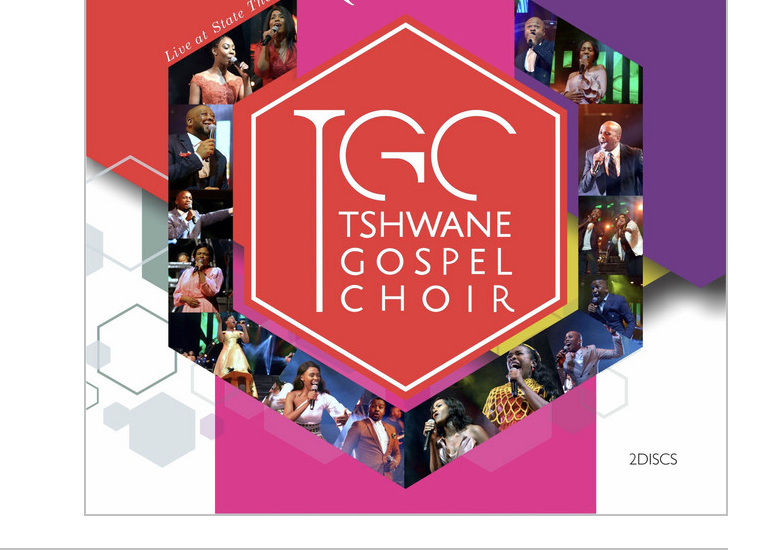
Suppose you entered a very big concert hall, with the lights dim. A hush falls over the crowd. Then 34 voices are heard all together singing in six languages, with horns that thrust through the air and bass that shake the floor. It is not another choir performance. This is the Tshwane Gospel Choir.
The vision of one man to provide a platform to gifted musicians in the underprivileged communities has resulted in this choir being one of the strongest gospel groups in South Africa. They have been on the same platform with giants of the game such as Rebecca Malope and Sipho Makhabane, the Big Fish. They have published albums which have amalgamated the indigenous South African sound with modern gospel. And they have also taken to their music to raise their voices on matters way beyond the church parapets such as a strong song about abducted schoolgirls in Nigeria.
How Tshwane Gospel Choir All Began.
A Businessman with a Mission, In 2009, a businessman by the name Bheki Langa came across the South African music industry and realized that there was something lacking. The country had incredibly gifted musicians, especially in historically disadvantaged regions of the country, who simply lacked the materials, networks, and opportunities to bring their talents to the world.
Langa did not just become aware of the problem. He decided to fix it. In the same year, he created the Tshwane Gospel Choir with an apparent mandate to develop good musicians in communities that were previously ignored and underserved by the music industry. The choir was headquartered in Tshwane (then Pretoria) which was the administrative capital of South Africa but in the near future its mission would extend well beyond the city.
It began as a chance of few singers but ended up being much more. Now the choir is a multi-cultural group of 34 singers and has a band of six who play horns, drums and the much-recognized sliding bass voice of Township jive.
The Name and Its Meaning
The metropolitan municipality which covers Pretoria is called Tshwane. It is historically weighted, even in its name, which was originally called Tshwane, which translates as we are the same, we are black. Naming the choir in this way establishes the choir as a part of the land and its inhabitants.
However, the identity of the choir is not limited to geography. It is all about unity- uniting singers with different backgrounds, speaking different languages, and all connected with the same sound.
What Makes Them Unique
A Multicultural Ensemble, Having 34 voices, Tshwane Gospel Choir is big enough to produce a wall of sound that fills the largest of the venues yet small enough to play intimate and subtle songs. Their distinguishing factor as an other gospel choir, however, is their dedication to the linguistic diversity of South Africa.
The choir sings in:
- Zulu (isiZulu)
- Xhosa (isiXhosa)
- Sesotho
- Setswana
- Sepedi
- English
Here is a song that begins with the click consonants of the Xhosa and then flows into the rolling rhythms of the Sesotho all held together by the lyrics of English, which bind the message. This is the experience of the Tshwane Gospel Choir. To South African audiences, listening to their native languages being glorified on stage forms a connection. To foreign people, it is a trip across the rich cultural heritage of the country.
The Musical Ingredients, Their music has been termed as a slick and soul moving mixture of indigenous South African music and modern gospel. But what does that really mean?
The Horns: Brass instruments provide what one critic has described as a brassy punch. In South African gospel, horns are not part of the backgrounds, but lead voices, to call, respond, and drive the music in a specific direction.
The Bass: The “sliding bass sound of Township jive” makes everything down to earth. The urban townships of South Africa created the township jive (or kwela or mbaqanga) music in the 1950s and 60s, a mix of marabi jazz and African rhythms. The choir integrates the modern gospel with a rich historical musical tradition by using this sound.
The Voices: Thirty four singers bring in different tunes, which go as soft as whispers and as loud as thunder. It is not a choir, and everybody sings the same notes- and it is an orderly interwoven tapestry of sound, with a place to every voice.
The Spirit: This is basically gospel music. It is Christian, worshipful, and aimed to stir people, both spiritually and emotionally.
The Albums -An Emerging Discography.
Modimo Wa Mehlolo (2014): The Debut
The Tshwane Gospel Choir published their first album, entitled “Modimo Wa Mehlolo” in 2014, five years after their formation. The title is the Setswana word God of Miracles.
The album brought the choir to the sound that is synonymous to South Africa. They made them not merely a supporting organization, but one that could headline their own performance and carry an album of their own.
Live In Concert: Conspiracy with Legends.
The choir already made ripples even before the release of their debut album through their collaborations. Their first serious albums included Live In Concert, an album which included gospel royalty Rebecca Malope and Sipho Makhabane.
The 14 track album displayed the capability of the choir to stand on their own with two of the largest gospel stars in South Africa. The songs such as Siyabonga Baba (with Sipho Makhabane) and the numerous Rebecca Malope combinations showed the versatility and strength of the choir.
Sekwanele (2019): The EP
In August 2019, the choir issued an EP named Sekwanele. The name translates to Enough or It is enough in Zulu- a statement that is impactful in a nation that is still struggling with inequality and injustice.
The Promised Revival (2020): A Two-Part Live Album
2020 was a big year for the choir. They released “The Promised Revival, Part One (Live at the Carnival City),” a live album recorded at Carnival City in Johannesburg . The album features 18 tracks, including:
- “Through It All (Live)”
- “Imvuselelo” (The Revival)
- “Kegopola”
- “Hosana”
- “Holy Holy”
- “Amadolo” (The Knees)
- “My Faith”
- “Hallelua”
The album captures the energy of a live Tshwane Gospel Choir performance the call-and-response with the audience, the spontaneous moments of worship, the way a song builds from a quiet verse to a full-throated declaration.
Later that year, they released “The Promised Revival, Pt. 2 (Live at the Carnival City)” in February 2021 . The two albums together represent one of their most ambitious projects.
Mbonge (2020): A Message Beyond Music
Also in 2020, the choir released “Mbonge” . But this album included something unexpected: a track called “Bring Back Our Girls.”
This wasn’t just a gospel song. It was a political statement.
“Bring Back Our Girls” addressed the 2014 kidnapping of over 200 schoolgirls by the militant group Boko Haram in Chibok, Nigeria. The song was a plea for the rebel forces to release the kidnapped students . It crossed national borders and showed that the Tshwane Gospel Choir sees their mission as extending beyond South Africa’s boundaries.
Gospel music, they demonstrated, can be a force for justice–not just comfort.
The Live Experience–Spirit of Africa
The Traveling Show, The Tshwane Gospel Choir isn’t just a recording act. They’re known for their traveling “Spirit of Africa Show,” a performance that demonstrates the continent’s rich musical diversity .
The show is exactly what it sounds like: a journey through African gospel music, showcasing different styles, languages, and traditions. For audiences who can’t travel across the continent, the choir brings Africa to them.
Sharing Stages with Legends, The choir has performed alongside some of South Africa’s biggest gospel names. Their 2011 collaboration with Rebecca Malope and Sipho Makhabane on “Live In Concert” was just the beginning .
In 2023, Bheki Langa (the choir’s founder) was set to appear at the Show Love Concert alongside Sipho “Big Fish” Makhabane and Dr. Rebecca Malope . The concert, founded by Makhabane, aimed to address the fading of love in communities–a response to the killings and gender-based violence plaguing South Africa.
Makhabane explained the concert’s purpose: “We are saying show love to one another. It could be your neighbour, a child on the street or a stranger. This is a concert that aims to bring back Ubuntu to the communities” .
The fact that Langa and the Tshwane Gospel Choir were invited to participate speaks to their standing in the South African gospel community.
Supporting Other Artists: The choir has also been availed as featured musicians in the works of other artists. In 2015, they featured on the album of Israel Mosehla titled God sovereignty, where they were featured in several songs such as the blood medley, Olukile, and Alikho Igama. Sipho Makhabane also appeared on the album, and this points to the links between these gospel giants.
The Relationship with Sipho “Big Fish” Makhabane.
A Shared Mission, As you were reading about Sipho Makhabane just now, it is worth noting that he is so much connected to the Tshwane Gospel Choir.
The choir and Makhabane have one thing in common, which is to ensure that young talent is nurtured. Makhabane created Big Fish Music Productions to identify and nurture new artistes. The Tshwane Gospel Choir was formed by Bheki Langa to provide a platform to musicians in the underprivileged groups.
They both consider their work to be more than an amusement. The Show Love Concert by Makhabane deals with such social issues as gender-based violence. The Bring Back Our Girls by the choir was about international injustice.
Direct Collaborations
The Tshwane Gospel Choir has collaborated with Makhabane in several projects directly:
Live In Concert (2011): It was a collaborative album which involved Makhabane and Rebecca Malope alongside the choir.
Show Love Concert (2023): The founder of the choir, Bheki Langa made it to the list of those who were performing at the concert of Makhabane.
Gods sovereignty of Israel Mosehla (2015): Makhabane performed together with the Tshwane Gospel Choir on this album.
Makhabane may have been referring to Tshwane Gospel Choir when he said, My work is to support the other gospel artists. The two are concerned with raising others.
Legacy and Impact
For South African Gospel, The Tshwane Gospel Choir has contributed to the development of the gospel of the South Africa in the modern times. They have merged the traditional styles with current production thus producing music that has been both traditional and contemporary.
The fact that they sing in six languages is an indication of the constitutional undertaking of a South African to have linguistic variety. When a country has 11 official languages it is both reassuring and cohesive to hear many languages being glorified on the stage.
For Young Musicians
The mission of the choir, which is the cultivation of talented individuals who are disadvantaged historically, is still working to this day. In the case of a young singer in a township or the countryside, the sight of the Tshwane Gospel Choir on stage tells him or her that their voice is heard. Your talent is valuable. There is a place for you.
Beyond Music
The reason the choir decided to record the song Bring Back Our Girls was the indication that gospel music can be involved in dealing with the problem of this world. It was not merely a song about heaven, but a song about the wrongfulness of this world, and a call to action.
This readiness to speak up is part of a tradition of South African music as a social cause. Since the anti-apartheid struggle songs of the 1980s and the gospel choirs of tomorrow, South African musicians never had the comfortable intention of entertaining. They have always known that music could make a difference.
34 Voices, One Future.
The Tshwane Gospel Choir began with a basic concept: they identify talented musicians that have not been noticed and provide them with a platform. Now 16 years later, they have published several albums, toured on their Spirit of Africa Show, joined legends, and spoken through their voices about concerns on gender-based violence to international injustice.
They consist of 34 singers, one band consisting of six members and lots of songs. They sing in six languages and are based on musical traditions that go back to generations. They are based in Tshwane yet the message is far much more.
The Tshwane Gospel Choir is the voice that unites the power of voices, which is the main piece of South African gospel music to a teen who finds it nowadays. It is not music when 34 individuals of various origins, with diverse languages and dialects gather and sing with unison. That is an image of what the world might be.
And when the imagination of a businessman can make something that beautiful in 2009, what can the next generation of musicians, of which you may be one, construct.