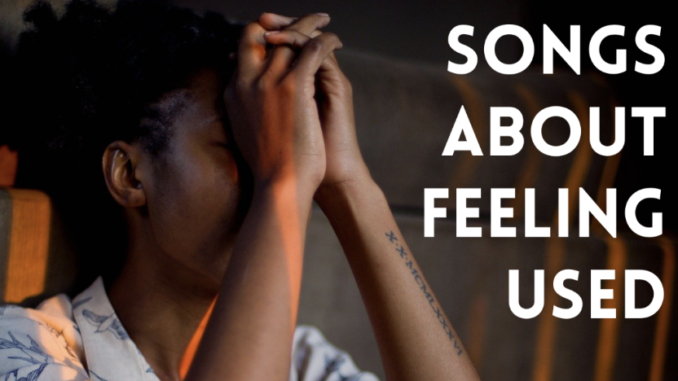
The South African music has always represented the emotional truth of love, betrayal, manipulation, and betrayal. In Afro-soul, Amapiano, Maskandi, Gospel, and Hip-Hop, all musicians narrate about how they feel emotionally exhausted, ripped off, cheated, or exploited. These songs are so appealing as they reflect on daily encounters in relationships, friendship and even in the music industry itself.
South African songs on how to be used or taken advantage of.
- Hurt So Bad – Zahara
- Sobabili – Amanda Black
- Ngiyaz’fela Ngawe – Sjava
- Hayi – Lady Zamar
- Ngisize – Afrotraction
- Skhanda Love – K.O
- Ngeke – Kwesta
- Mngani Wami – Brenda Fassie
- Lalela – Zonke
- Uyang’limaza – Bucie
- Imali – Zandie Khumalo
- Abalele – Big Zulu
- Akulaleki – Samthing Soweto
- Ngiyakuthanda – Vusi Nova
- Jerusalema – Master KG
- Love Letter – Moneoa
- Emlanjeni – Mlindo The Singer.
- Buya – Zakes Bantwini
- Ngilimele – Makhadzi
- Imizwa – Nathi
- Inhliziyo – DJ Zinhle
- Toxic Love – A-Reece
- Uthando – Lira
- Ngigukuthandile – Rebecca Malope..
- Ngiyamthanda – Jub Jub
- Sondela – Ringo Madlingozi
- Ungowami – Prince Kaybee
- Ngiyakholwa – Heavy K
- Hamba – Berita
- Ngikhona – Loyiso Bala
- Thando – Zahara
- Asibe Happy – DJ Tira
- Ngicela Uthando – Musa Sukwene.
- Zobuya – Sun-El Musician
- Uyandazi – Professor
- Ngiyeza – Busiswa
- Umthwalo – Zahara
- Intliziyo – DJ Maphorisa
- Moya Wami – Brenden Praise
- Akekho Ofana Naye – Khaya Mthethwa.
- Ngiyak’thanda – Kelly Khumalo
- Ngisakuthanda – Vusi Nova
- Ngilimele – Zahara
- Sthandwa – Berita
- Uthando Lwakho – NaakMusiQ
- Soul of Praises – Ngisize Baba.
- Mina Nawe – DJ Sbu
- Ngiyabonga – Joyous Celebration.
- Intombi – Mlindo The Vocalist
- Imali Yami – Big Zulu
Zahara was a South African Afro-soul singer who was highly celebrated. Her song Hurt So Bad is a matter of straight talk, which is the emotional betrayal and the hurt of loving a person, who is going to abuse your kindness. Zahara has made her career revolving around sincere writing of songs and acoustic narration that cuts across generations.
Amanda black came out with Sobabili, a strong ballad of one sided love. The song displays emotional lack of balance in relationships. Amanda is acknowledged as having empowered themes that promoted self-respect and post breaking healing.
Sjava is a fusion of Maskandi, hip-hop and Afro-soul. Ngiyazfella Ngawe is very devoted though not evenly. His songs tend to dwell on vulnerability and complicated love relationships, which are based on the Zulu culture.
Hayi by Lady Zamar is full of disappointment when it comes to love. Her sound, which is a blend of dance-pop and house, is opposed to the emotionality of her lyrics, which makes her one of the most unique vocalists of her time.
Ngisize is an appeal by Afrotraction to be rescued emotionally. He dwells on relationship struggle, heartbreak, and longing as an R&B-inspired Afro-soul singer.
K.O is one of the prominent hip-hop artists, who employs Skhanda Love to discuss contemporary relationships in which loyalty is challenged. He began his career as a member of Teargas group and developed to be a powerhouse of solo rap.
In Ngeke, Kwesta talks about loyalty and holding on to your position even when it is threatened or abused. He is famous to have combined township slang with mainstream rap.
Brenda Fassie or the Queen of African Pop, tackled reality of betrayal and the life in townships in Mngani Wami. Her contribution to the South African pop culture is unrivalled.
Lalela is a story by Zonke that points to the failure of communication between partners. Her songwriting profundity and soulful vocal delivery are respected.
Uyang of Bucie deals with emotional pain by the partner. Being a house music singer, she contributed to the reconciliation of dance rhythms and the narrative.
In Abalele and Imali Yami, Big Zulu is talking a lot about fake friends and exploitation. His music is a blend of traditional and rap.
The Akulaleki by Samthing Soweto is an image of never having slept because of emotional disturbance. He is hailed on versatility in singing and sincere songwriting.
The Ngilimele by Makhadzi expresses pain in relationships. There is a lot of emotional content concealed under her exuberant performance style.
Uthando by Lira is about the intricacy of love, and Betrayal by Rebecca Malope and Joyous Celebration are about the spiritual strength in which faith brings out of an emotional exploitation.
In the rest of the songs, the same patterns are present. Artists emphasize that we should have valued money, status, beauty or success but not red true love. Be it in Afro-pop tunes, Amapiano beats, or gospel songs, the message is the same, exploitation leaves a wound, however, self-worth heals it.
Related Artists
- Mlindo The Vocalist
- Berita
- Vusi Nova
- Kelly Khumalo
- Sun-El Musician
- DJ Zinhle
- Heavy K
- Musa Sukwene
- Nathi
- Busiswa
Emotional instability, belief, heartbreak and perseverance are some of the themes that these artists often consider.
Related Songs
- Akulaleki – Samthing Soweto
- Imizwa – Nathi
- Hamba – Berita
- Emlanjeni – Mlindo The Singer.
- Zobuya – Sun-El Musician
- Ngilimele – Zahara
- Sobabili – Amanda Black
- Hayi – Lady Zamar
- Ngiyakuthanda – Vusi Nova
- Inhliziyo – DJ Zinhle
- Buya – Zakes Bantwini
- Ngiyaz’fela Ngawe – Sjava
- Ngisize – Afrotraction
- Intliziyo – DJ Maphorisa
- Toxic Love – A-Reece
- Uyang’limaza – Bucie
- Thando – Zahara
- Sondela – Ringo Madlingozi
- Love Letter – Moneoa
- Imali – Zandie Khumalo
- Ngikuthandile – Rebecca Malope
- Ngiyakholwa – Heavy K
- Ngiyamthanda – Jub Jub
- Mngani Wami – Brenda Fassie
- Abalele – Big Zulu
- Ungowami – Prince Kaybee
- Moya Wami – Brenden Praise
- Ngikhona – Loyiso Bala
- Uthando – Lira
- Jerusalema – Master KG
Why the Song
Orchestras on the subject of being used are important in that they legitimize actual feelings. Most south African societies are characterised by economic hardships and social pressures that have the capability of complicating relationships. Other individuals get into relationships because they want to be secure financially or in status which causes imbalance emotionally. Music also offers a risk free zone to air the pain that would have gone undisclosed.
Such songs help the listeners to identify the red flags, to appreciate themselves and to establish limits as well. The open discussion of betrayal by artists lowers the stigma of vulnerability, particularly in men who are supposed to conceal the emotional pain.
Cultural Impact
The influence of these songs on the culture cannot be neglected. These have influenced the Afro-soul and Amapiano narrative movements through the focus on emotional integrity. They provoke the conversations on toxic relationships, financial dependence, loyalty, and respect. They also give the listeners the power to quit in a situation where they feel exploited.
The South African music still serves the purpose of social commentary. Artists turn heartbreak into the healing process through melody and rhythm. Sharing their stories on how they were used or exploited, they are reminding the audience that pain is universal, but it can grow.