
The 1995 South African born, Costantinos Tsobanoglou, known as Costa Titch, was one of the most successful and boundary-breaking musicians in the country who was famous due to his skill in incorporating Hip-hop, Amapiano, dance and Afrobeat into a high-energy sound that was likely to appeal to everyone around the world. Costa Titch is of Greek-South African descent, and he was exposed to a great deal of musical influence at a tender age due to his upbringing in a multicultural world.
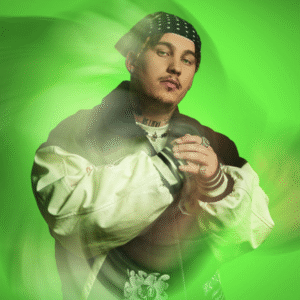 This diverse background would eventually become the hallmark of his unique sound which blended catchy hooks, fresh production and charisma on the stage with a profound appreciation of the urban South African culture. During his career, Costa made a name of himself, being not only a household name but also through his electric performances, his style as well as his contribution towards South African dance music on international stages.
Since his childhood, Costa had a talent of natural rhythm and performance. Growing up in a family where music was something that surrounded him all the time, he took in all that existed in the traditional African rhythms up to international trends in hip-hop and pop. He started to sing at local talent shows, school events and in church choirs and slowly gained his confidence and presence on the stage. These early performances enabled him to experiment with his voice, choreography and expression of his lyrics that would later be characterized by the energetic and theatrical performances that would later be his hallmark in his career. Growing up, Costa developed a feeling of cultural versatility and musical curiosity which proved to be his major features of his persona as a musician.
The viral online content, mixtapes, and performances in the urban music scene of Johannesburg are the first factors that brought Costa Titch into national attention. He soon made himself very unique with his skill of blending Amapiano; the soaring house subgenre of South Africa, hip-hop lyricism, dancehall-influenced beats, and pop sensibilities. This new style enabled him to attract the local audiences of the townships where the local genres had their presence and younger urban audiences who were attracted to the global music trends. The themes that were written in his lyrics were highly similar and in most cases they included ambition, celebration, street life, personal growth and resilience making the music to be both entertaining and culturally agreeable.
His debut success came through songs such as Jacko and Supa Dupa that displayed his vitality, poetic intelligence and ability to create music that can be danced to. Collaborations with other prominent South African musicians were common in his music, which can be seen as a sign of a versatile and multi-faceted artist who managed to succeed in any musical setting. His works cut across genres, such as Amapiano, Gqom, hip-hop, and Afrobeat, which assisted him in building a very diverse fan base and establishing himself in the South African music scene.
His live performances were very legendary and Costa gained the status of being one of the most electrifying entertainers in South Africa. His elaborate choreography, authoritative presence on stage, and interactive performances made him create celebrations at any place. Stage antics frequently featured in his performances such as costume changes, visual effects and synchronized dance routines made it a spectacle that pleased both fans and critics. People were attracted not only to his songs but also to his image- a charismatic artist with a lot of confidence, creativity, and happiness on the stage.
Besides his solo work, Costa Titch also worked with the South African producers, DJs and artists quite extensively. The collaboration with DJ Maphorisa, Cassper Nyovest, Boity, and other prominent people enabled him to explore alternative sounds as well as expand his reach throughout the nation. He also adopted the digital platform and, through social media and streaming services, communicated with fans, provided behind-the-scenes access, and directly delivered music to the audience. This is a digital-savvy strategy that made him make his way around the contemporary music scene, reaching out to local and overseas fans.
The style of Costa Titch was marked with a new genre mix. He blended the rhythmic multiplicity of Amapiano with the cadence as well as the lyrical style of hip-hop, overlaying it with the aspects of the dancehall, trap, and Afrobeat. Heavy basslines, syncopated percussion and melodic synths often accompanied his versatile flow to provide a rich sonic backdrop to his production. Many of his verses were rapped, alternating with melodic choruses, which proved his vocal strength and power to deliver the same energy, emotion, and swagger. This music hybrid style made Costa Titch one of the pioneers of the South African urban music in contemporary times, affecting future generations of musicians who aimed at connecting local and global music.
Even after becoming famous, Costa Titch was also much connected to his origins. His lyrics tended to be life in the South African townships, the plight of youth, and the will to make it despite all. He welcomed cultural pride, where he celebrated the South African music, dance and fashion and also involved himself in collaborations that put emphasis to the local talent. This genuineness made him popular among the supporters and established his reputation as a musician who remained loyal to himself but still managed to gain popularity with mainstream success.
Ironically, Costa Titch died in 2023 leaving a great impact on the music and culture of South Africa. His fans and artists were shocked by his death but his music has remained an inspiration and influence to both the established and the emerging performers. In his work he proved that South African music could be regional and at the same time global, pushing the genre and making music that was entertaining, inventive and significant.
Costa Titch is remembered nowadays as one of the most creative and charismatic artists of South Africa. His talent, vision and dedication are still evident in his music, performances and influence. He brought a modernity to traditional culture and his music has inspired a new era of South Africa music, leaving the legacy of innovativeness, happiness, and artistic masterpiece to its listeners that might be felt even to this day. His work in Amapiano, hip-hop, and the South African music scene, in general, will guarantee that his name will be commemorated several years later.
List of all tracks
- Parachute (feat. Chino Kidd, Buzzi Lee, LaCabra & Bravo Le Roux)
- Skuta Baba Revisit
- Hayi Costa
- Ha Ke Tsebe (feat. DJ Neptune, Phantom Steeze)
- Big Flexa – Remix
- Data
- Azul ’22
- Maitama (Going)
- Bula Boot
- TBH
- Out Like A Light
- Goat
- Inside
- Ngithi Lo
- Superstar
- Just Do It
- Ma Gang
- Kamo Mphela
- Bula Sekele
- Next Up
- Big Flexa
- Sugar
- Work
- Up Every Night
- Monate C
- Static
- Yizo Yizo
- Big Deal
- Uthini
- Nomakanjani
- Great Tik Tok
- Nazo
- Great
- Kuyabanda
- Wag ‘N Bietjie
- Got It
- 4am in Sandton
- Always
- Blessings
- Areyeng
- Durban Poison
- Holy Rain
- Mpulele
- Made in Africa
- Ekse – Radio Edit
- Ekse
- Thembi
- Phezulu
- We Alert
- Nkalakatha [Radio Edit] – Remix
- Nkalakatha – Remix
- Nkalakatha
- Instincts
- Chi Vu
- Activate