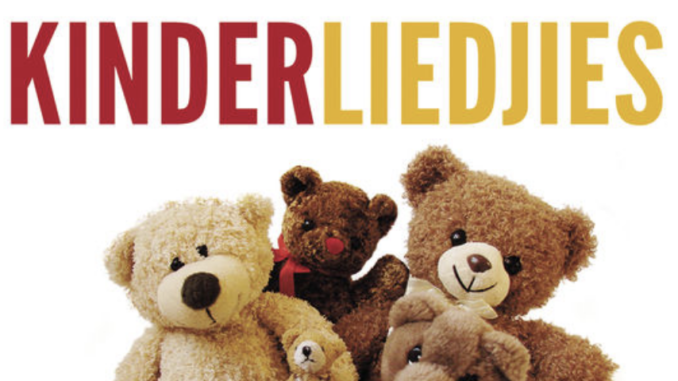
The Afrikaans term Kinderliedjies means children songs and it has been an important part of the early childhood development in South Africa over the generations. These songs, which are normally sung in homes, preschools, churches, and cultural events, help in the teaching of language, rhythm, values, and imagination using sweet tunes and lyrics that are repeated. A New Wave sound is today redefining the kinderliedjies space, combining the traditional nursery-style narration with modern production, animation, streaming, and educational contents strategies.
This South African children music is a New Wave that is colorful, digitally controlled, and vibrant. Artists can no longer be restricted to CDs and school concerts. They are now creating effective YouTube channels, Spotify playlists, interactive learning videos and live stage performances. This leads to a rapidly expanding kinderliedjies ecosystem that is a source of entertainment and education.
The Kinderliedjies in South Africa, Evolution.
The kinderliedjies were also usually acoustic songs that were similar and were passed on orally by one generation to another. Songs on counting, animals, seasons, family life and moral lessons. The songs were monotonous so that children can remember words and enhance pronunciation.
Kinderliedjies New Wave sound comes with layered sound instrumentals, animated videos, organised album releases, and translatability across languages. Most of the artists are now mixing Afrikaans and English as well as other languages spoken in South Africa, and this increases their viewers. The quality of audio has improved with the use of digital production and it is child-friendly.
The current parents seek school value, good messages and safe entertainment. It has been in this demand that some artists have been introduced to being top in children music in South Africa.
Kinderliedjies Artists who heled the New Wave Era.
Lollos is regarded as one of the most known names in the Afrikaans children music. Lollos is also famous due to his colorful stage shows and lively music videos, which have helped the group to develop a great digital presence and dominate school concerts and family events.
Dirk van der Westhuizen has not been left behind in mixing dance rhythms that are upbeat coupled with child friendly lyrics. Younger audiences can relate well with his high-energy performances. Heidi is a popular icon in the Afrikaans kinderliedjies and Buster die Hond is a catchy children brand that tells stories and uses animated music.
Hennie en Heidi is a family theme of the childish entertainment with the elements of tradition and availability of the contemporary music.
The Creators of Digital-First Kinderliedjies.
The digital creators have a huge impact on the New Wave sound. Johan En Die Gospelsangers incorporates aspects of gospel into children music, which produces spiritually-enhancing material which is friendly to young listeners.
MaanKind tries soft, sleepy production that fits perfect bedtime playlists and preschool environments. Snotkop has had an impact on the music trends of children (despite being firstly recognized as mainstream Afrikaans pop) by making catchy hooks and easy choruses popular that are inspiring children to adapt them into their own versions.
Viral artists have been able to get along with the help of streaming sites. The new creators of the New Wave give more emphasis to animated lyric videos, interactive dance challenges and themed educational albums.
Artists who are Educational and Preschool-Concentrated.
The modern kinderliedjies is based on educational value. Carike Keuzenkamp has been involved in the Afrikaans music that is friendly to the family and has shaped the format of children albums.
Nataniel, who was more expansive in the style of performance, has left an impact on the storytelling in the Afrikaans culture, which regulates the content creation of children. Phonics, numbers, shapes, and emotional intelligence have become the main priorities of many preschool-related projects. The New Wave artists work together with teachers in order to develop songs that meet the objectives of early childhood development.
Kleiner and Karik Kinderliedjies Voices.
Outside the mainstream, dozens of independent Afrikaans artists are creating the new generation of kinderliedjies. Such artists tend to create in their home studios, distribute on YouTube itself, and develop niche audiences by partnering with schools.
The barrier to entry has been reduced by the New Wave. A quality microphone, available music software and current distribution platforms enables the small musicians to compete against the well established brands. This is due to the soaring development in the children music category with the democratization of production.
Consecutively, parents are visiting such terms as Afrikaans kinderliedjies, kids gospel songs South Africa, and educational songs toddlers, providing independent artists with a chance of gaining high ranking and gathering organic traffic.
The importance of the New Wave Kinderliedjies Movement.
Kinderliedjies are not just entertainment. They influence language, confidence, development of rhythm and culture. The music played by Afrikaans children in South Africa is significant in maintaining language and also accommodating with the current global trends in a multilingual society.
The New Wave sound makes sure that kinderliedjies can survive the streaming era. The genre is no longer growing out of its nostalgia and is now extending to interactive content, educating media and live touring circuits.
The kinderliedjies category is going to expand as more artists invest in good production, animation and internet marketing. The Best 40 Kinderliedjies Artists in this new wave move can be considered as the sign of innovation, cultural pride, and storytelling that is aimed at the next generation.
The music that is sung by South African children is not confined to school sing-songs. It is a dynamic, changing business which is clinging to tradition and technology making sure that Kinderliedjies will inspire young minds even in the future.