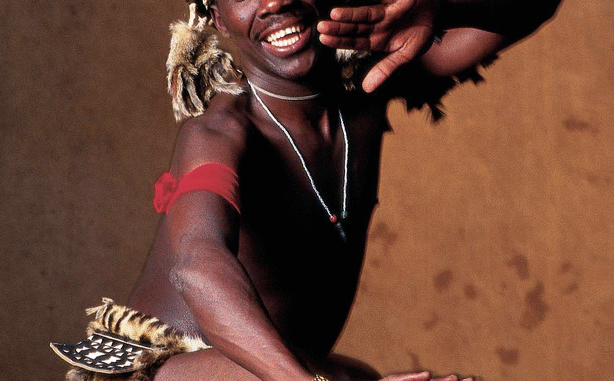
Mfaz Omnyama is a renowned South African maskandi musician whose music has a strong cultural touch of the Zulu tradition and also mirrors the social realities of the times. He is the figure in the modern maskandi scene known with his soulful vocals, mastery of the story, and his elaborate guitar playing. Combining the traditional Zulu rhythms, narrative richness, and themes that anyone could relate with, Mfaz Omnyama has established a niche in both traditional and younger generations that need to find an authentic South African music.
The son of Mfaz and born and raised in KwaZulu-Natal, Mfaz Omnyama grew up in an atmosphere of music that was highly shaped and inspired by the country life, family get-togethers and community parties. At a tender age, he had heard the sounds of acoustic guitars, izimbongi (praise poets), and home vivo maskandi concerts that reverberated in his village. These were the initial experiences that gave him a deep fascination with narration and music, which formed the basis of his musical identity. Music was not entertainment at all, it was a media through which he could see, learn and articulate the problems of life.
Mfaz Omnyama started to experiment with music at the time when he was in his teens and specifically the guitar and singing. He mastered the conventional maskandi, such as the complex finger-picking, the call-and-response singing, and the storytelling rhythm of the Zulu folk music. Simultaneously, he created his own style combining emotional sensitivity and keenness with which he observed social life. His early scores were commonly on an individual experience, family related, and the hardships and successes of his people which made him a heart and genuine storyteller.
His career as a professional musician was launched with singles that were able to attract a wide audience. The music by Mfaz Omnyama can be described by its melodic richness in narrative; they are based on love, betrayal, family loyalty, social injustice, and emotional conflicts experienced by both rural and urban South Africans. His narration is straightforward but poetic and in many cases he uses metaphors, proverbs that have been used traditionally and jokes to capture the attention of the listeners. This cultural connection coupled with dealing with universal human experiences soon saw him gain popularity in the maskandi community.
The sound of Mfaz’ Omnyama is based on the traditional maskandi sound, with its specifics of acoustic guitar rapid picking, rhythmic percussion, and harmonies. However, he does not avoid the usage of modern production in his music to make it appealing to the audience of our time. This combination enables him to preserve the originality of the traditional Zulu music and also reach a broader audience, closing the generation and the urban-rural gap between the listeners. His pieces are usually melodic hook, catchy choruses and verses that narrate a story that one can easily get involved in the story that he narrates.
Teamwork has been a major factor in the career of Mfaz Omnyama. His association with other maskandi artists and producers has also enabled him to experiment with his creativity without compromising his culture. He is the main narrator in his work, even despite the collaborations, the unique tonality of voice and lyrical standpoint are in the first place.
Mfaz Omnyama focuses on live performance. He is renowned to present lively emotional dramatics which leave people riveted. Mostly playing in rural rites, regional festivals, and major maskandi shows, he makes his listeners hooked by moved gestures, narratives in between, and natural music with genuine feeling. The fact that he has managed to transform studio recording into great live shows has cemented his reputation as an artist who stands out and can be looked up to at the same time.
The lyrics of Mfaz Omnyama are sometimes a comment on the reality of the society and reality of humans. His songs on resilience and perseverance also appear in many of his songs, urging the audience to conquer adversity and accept their cultural identity. He has managed to balance entertainment, social commentary and cultural story-telling, making his music have a permanent meaning.
Mfaz’ Omnyama has been successful despite these difficulties experienced by most of the traditional musicians such as lack of resources and competition in the industry. His honesty, hard work, and genuineness have made him admired by fellow artists, critics and even his fans. Every album and single evidence his development as a musician, songwriter, and a cultural custodian and it is his personal experience and the general social situation in modern South Africa.
Mfaz Omnyama is not only a musician, he is also a keeper of culture, narrator, and spokesman of those who are usually voiceless. He is able to do this through his music to maintain the traditions of maskandi and bring its beauty and relevance to new audiences. His work supports the concept that classic music could be developed without losing its origins and that cultural narration could be a form of power in terms of connecting and introspection.
To conclude, Mfaz’ Omnyama can be considered one of the most significant figures of South African maskandi. It is his heartfelt vocals, storytelling skills and cultural heritage that has enabled him to create a song book that cuts across all ages. He keeps on raising the maskandi music through recordings, collaborations and live performances through which he maintains the music heritage and at the same time, makes it pertinent to the modern society. Each song he sings builds a stronger bridge between tradition and modernity, so Zulu musical identity will prosper and have something to inspire generation after generation.
Songs from Ngihlanze Ngedela & Earlier Albums
- Yek’ Into Zabantu
- Qinisela
- Ngathi Wolinda
- Ngowam Utata
- Goduka Ndoda
- Amacala
- Mama Wenzani
- Angisena Bangani
- Amalungelo
- Ngihlanze Ngedela
- Khula Tshitshi Lami 2000
- Kusele Kancane
- Ayangizonda Lamadoda
- Lena Kwakunge Yami
- Iyabiza Lendoda
- Kukhona Okuzovela
- Kwanyakaz’ Imikhonto
- Akujolwa Kanje
- Wena Mawenze Nje
- Kuke Kwagijim’ Iveni
- Ngisebenzile Mama
- Nay’ Inkinga
- Onke Lamadoda
- Ukuganwa
- Induma Ndumane
- Mbheken’ Uyeza
- Lezonkomo
- Wathola Malini
- Uyangiqhoshela
- Ngeshele Ntombi
- Uzongigana Kanjani?
- Ukhalelani
- Udlala Ngothando
- Ngiyashisa Bhe!
- Wath’ Angibobhek’ Imali
- Uvelaphi Wamashushu Dali
- Kuph’ Okungokwethu
- Ngakona Ngani
- Zalobol’ Amavila
- Uzenzile
- Nans’ Imp’ Ayiphlele
- Wentombi’ Uyangigangela
- Ebathenjini
- Khula Tshitshi Lami
- Bayazala Omama
- Sekonakele
- Wobuya Mngane Wami
- Okwenze Mina
- Ngizokulanda
- Wasungijikela
- Lino Moya Baba
- Zam’ Ukubekezela
- Emazweni Baba
- Lolo Sizi Olungaka
- Loku Ngahamba Ekhaya
- Awu Thembeki
- Sisheli Sami
- Tshitshi Lami
- Huwe Phambili
- Wawu Ngenjena
- Ngixolele Baba
- Sidedele
- Bathathezami
- Musa Ukungi Bamba
- Ukhulupheka Kwani
- Ayabaleka Amagwala
- Umshayeli
- Uzombangisa
- Ngihlala Ngicamanga
- Unzeinqe Ezincane
- Kwamvelase
- Abasadali Ngami
- Umthandazo Wenyanga
- Asiyosebenza
- Ngabathe Ngiyabika
- Lentombi Kwakunge Yami
- Bekezela Mfaz’ Omnyama
- Ngumuntu
- Yinina Mfaz’ Omnyama
- Uthi Uyangazi
- Siboshiwe Sisemaketangweni
- Iqome La Ithanda Khona
- Ubongikhonzela Kubokomama
- Sizoshay Ingoma